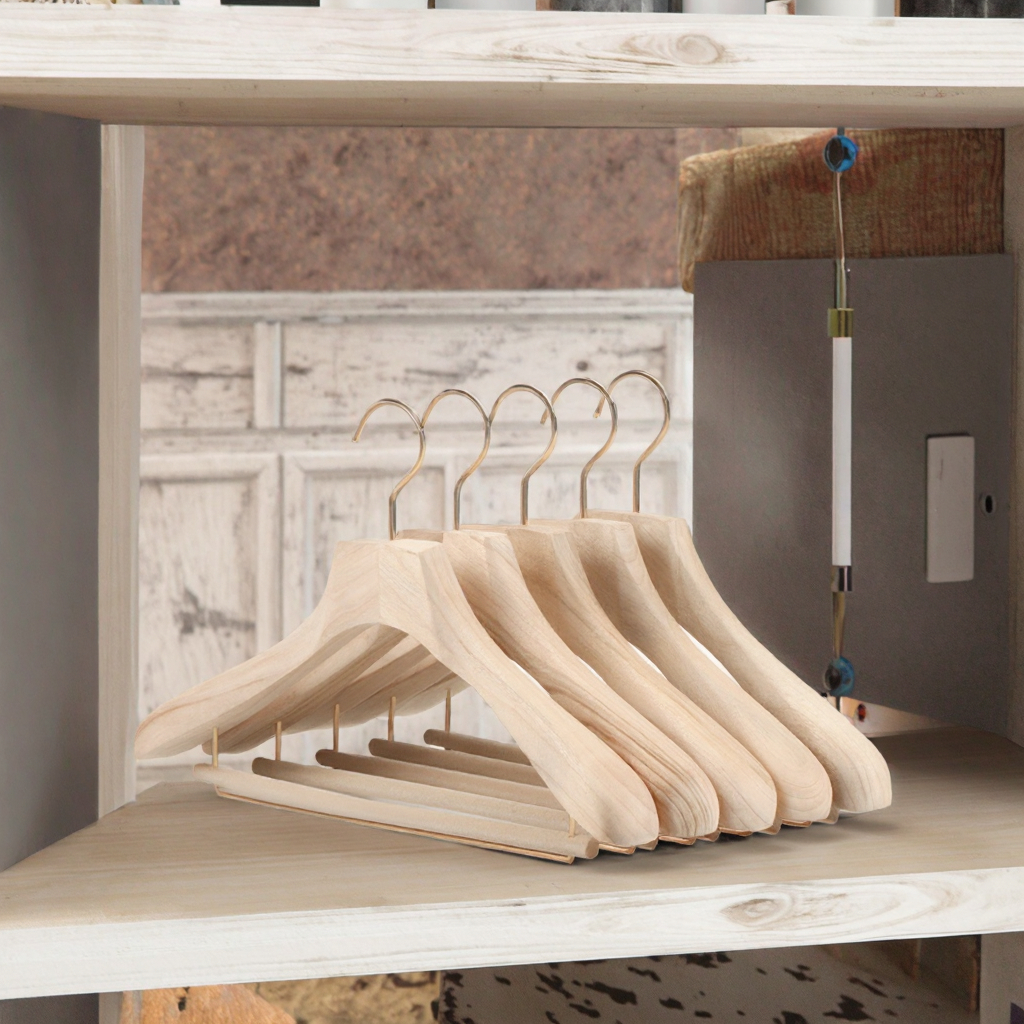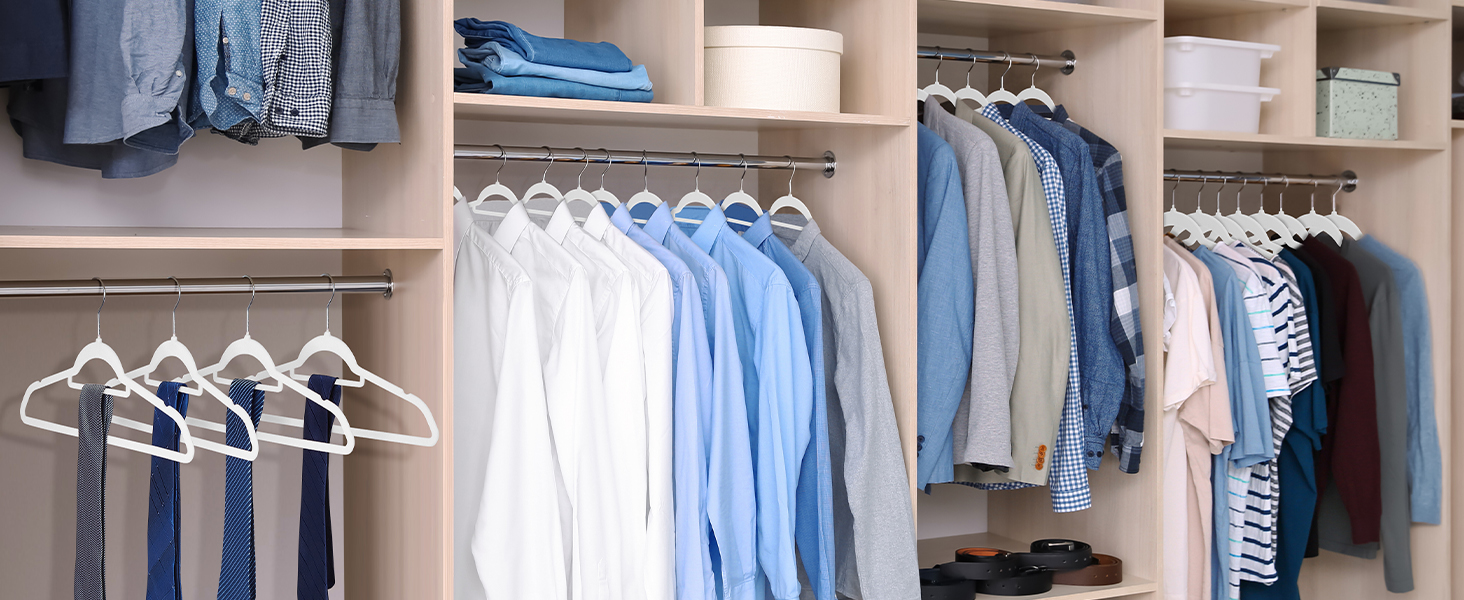
Apparel brands should check 12 OEM hanger manufacturing fields before requesting a quote: specification completeness, MOQ alignment, sample workflow, production calendar, logo method fit, inspection records, carton rules, reorder control, laser engraving, foil stamping, pad printing, and UV printing. VNEW uses 500 units per SKU as a standard custom starting point, 7-10 days for sample approval, 15-25 days for manufacturing, and 3-5 days for QC and packing. This checklist helps sourcing teams compare suppliers without reducing the decision to a single unit-cost line.
Comparison table
| Decision point | Best use case | Operational number to confirm |
|---|---|---|
| Specification completeness | prevents slow quotes and mismatched samples | 500 units per SKU |
| MOQ alignment | matches trial orders with store rollout plans | 7-10 days |
| Sample workflow | keeps approval decisions measurable | 25-35 days |
| Production calendar | turns launch dates into factory milestones | 1,000 units |
| Logo method fit | protects artwork quality on the final material | 300 units |
| Inspection records | documents finish consistency before export | 3-5 days |
| Carton and label rules | keeps store receiving and warehouse handling clean | 3-5 days |
| Reorder control | keeps a second order aligned with the first order | 3-5 days |
| Laser engraving | wood and bamboo logos that need a permanent tone-on-material mark | 3-5 days |
| Foil stamping | wood or metal hangers that need a metallic brand accent | 3-5 days |
| Pad printing | plastic and coated wood programs with spot-color logos | 3-5 days |
| UV printing | flat-shoulder hangers with detailed full-color graphics | 3-5 days |
Specification completeness: prevents slow quotes and mismatched samples
A complete specification names material, size, shoulder width, hook finish, logo method, carton count, destination, and target delivery window. Missing 1 of these fields can create a quote that looks low but fails during sampling.
Use a sample approval checklist for this decision. Record the target garment category, logo size, color reference, carton requirement, destination market, and planned reorder window. A buyer should keep 1 approved sample, 1 artwork proof, and 1 packing specification on file so the next order can be repeated without a new discovery cycle. For VNEW programs, these details are captured before the 15-25 days manufacturing stage begins.
MOQ alignment: matches trial orders with store rollout plans
VNEW standard custom programs start at 500 units per SKU, while trial quantities of 100-300 units can be reviewed for first-time buyers. The right MOQ depends on SKU count, logo method, and reorder rhythm.
Use a sample approval checklist for this decision. Record the target garment category, logo size, color reference, carton requirement, destination market, and planned reorder window. A buyer should keep 1 approved sample, 1 artwork proof, and 1 packing specification on file so the next order can be repeated without a new discovery cycle. For VNEW programs, these details are captured before the 15-25 days manufacturing stage begins.
Sample workflow: keeps approval decisions measurable
A strong OEM process separates artwork review, material selection, logo proof, physical sample, and approval records. VNEW uses 7-10 days as the normal sample approval window before bulk production begins.
Use a sample approval checklist for this decision. Record the target garment category, logo size, color reference, carton requirement, destination market, and planned reorder window. A buyer should keep 1 approved sample, 1 artwork proof, and 1 packing specification on file so the next order can be repeated without a new discovery cycle. For VNEW programs, these details are captured before the 15-25 days manufacturing stage begins.
Production calendar: turns launch dates into factory milestones
After sample approval, VNEW normally plans 15-25 days for manufacturing and 3-5 days for QC and packing. Buyers should add sea or air freight time separately instead of treating production and delivery as one number.
Use a sample approval checklist for this decision. Record the target garment category, logo size, color reference, carton requirement, destination market, and planned reorder window. A buyer should keep 1 approved sample, 1 artwork proof, and 1 packing specification on file so the next order can be repeated without a new discovery cycle. For VNEW programs, these details are captured before the 15-25 days manufacturing stage begins.
Logo method fit: protects artwork quality on the final material
Laser engraving, foil stamping, pad printing, UV printing, embossing, and custom hooks each solve a different branding problem. A 4-color plastic logo does not behave like a monochrome wood engraving.
Use a sample approval checklist for this decision. Record the target garment category, logo size, color reference, carton requirement, destination market, and planned reorder window. A buyer should keep 1 approved sample, 1 artwork proof, and 1 packing specification on file so the next order can be repeated without a new discovery cycle. For VNEW programs, these details are captured before the 15-25 days manufacturing stage begins.
Inspection records: documents finish consistency before export
Inspection should cover dimensions, finish tolerance, hook alignment, logo position, carton strength, and shipment photos. Ask for records before balance payment when the order is a first run or a new material.
Use a sample approval checklist for this decision. Record the target garment category, logo size, color reference, carton requirement, destination market, and planned reorder window. A buyer should keep 1 approved sample, 1 artwork proof, and 1 packing specification on file so the next order can be repeated without a new discovery cycle. For VNEW programs, these details are captured before the 15-25 days manufacturing stage begins.
Carton and label rules: keeps store receiving and warehouse handling clean
Carton rules should list unit count, inner pack, barcode label, destination code, and any store-level split. These details become critical when a 12,000-unit order is allocated across several locations.
Use a sample approval checklist for this decision. Record the target garment category, logo size, color reference, carton requirement, destination market, and planned reorder window. A buyer should keep 1 approved sample, 1 artwork proof, and 1 packing specification on file so the next order can be repeated without a new discovery cycle. For VNEW programs, these details are captured before the 15-25 days manufacturing stage begins.
Reorder control: keeps a second order aligned with the first order
Ask how the supplier stores finish references, artwork files, tooling notes, and packing standards. Reorder control is what keeps a hotel group or fashion chain from receiving a slightly different hanger 6 months later.
Use a sample approval checklist for this decision. Record the target garment category, logo size, color reference, carton requirement, destination market, and planned reorder window. A buyer should keep 1 approved sample, 1 artwork proof, and 1 packing specification on file so the next order can be repeated without a new discovery cycle. For VNEW programs, these details are captured before the 15-25 days manufacturing stage begins.
Laser engraving: wood and bamboo logos that need a permanent tone-on-material mark
Use laser engraving when the buyer wants a clean logo that will not peel during store handling. VNEW normally starts custom wood programs at 500 units per SKU, with sampling in 7-10 days and approval photos before bulk release.
Use a sample approval checklist for this decision. Record the target garment category, logo size, color reference, carton requirement, destination market, and planned reorder window. A buyer should keep 1 approved sample, 1 artwork proof, and 1 packing specification on file so the next order can be repeated without a new discovery cycle. For VNEW programs, these details are captured before the 15-25 days manufacturing stage begins.
Foil stamping: wood or metal hangers that need a metallic brand accent
Foil works best for luxury marks in gold, silver, copper, or a matched foil tone. Buyers should approve logo size, pressure, foil color, and placement on the exact hanger shoulder before the 25-35 days production window starts.
Use a sample approval checklist for this decision. Record the target garment category, logo size, color reference, carton requirement, destination market, and planned reorder window. A buyer should keep 1 approved sample, 1 artwork proof, and 1 packing specification on file so the next order can be repeated without a new discovery cycle. For VNEW programs, these details are captured before the 15-25 days manufacturing stage begins.
Pad printing: plastic and coated wood programs with spot-color logos
Pad printing suits retail-volume plastic orders and coated wood hangers when the logo uses up to 4 spot colors. VNEW uses 1,000 units as a practical starting point for pad-printed plastic work.
Use a sample approval checklist for this decision. Record the target garment category, logo size, color reference, carton requirement, destination market, and planned reorder window. A buyer should keep 1 approved sample, 1 artwork proof, and 1 packing specification on file so the next order can be repeated without a new discovery cycle. For VNEW programs, these details are captured before the 15-25 days manufacturing stage begins.
UV printing: flat-shoulder hangers with detailed full-color graphics
UV printing is the better fit when the logo contains gradients, small type, or image-led artwork. Buyers should confirm print area, surface flatness, abrasion expectations, and carton protection before approving the print run.
Use a sample approval checklist for this decision. Record the target garment category, logo size, color reference, carton requirement, destination market, and planned reorder window. A buyer should keep 1 approved sample, 1 artwork proof, and 1 packing specification on file so the next order can be repeated without a new discovery cycle. For VNEW programs, these details are captured before the 15-25 days manufacturing stage begins.
What a complete OEM brief should include
A complete OEM hanger brief should fit on 1 shared document. Include garment category, hanger length, shoulder width, hook finish, material, finish reference, logo method, logo size, artwork file type, carton count, inner packing, destination market, required inspection record, target approval date, and target ship date. For branded work, attach AI, EPS, PDF, or SVG artwork and 1 Pantone reference if color matching is required.
For VNEW, the handoff from brief to sample is designed to avoid rework. The team can review wood, cedar, velvet, metal, and plastic programs, then recommend whether the request should use laser engraving, foil stamping, pad printing, UV printing, embossing, or custom hooks. The practical output is a sample plan, not a loose quote.
How to choose the right OEM hanger manufacturing supplier
Start by separating stock purchasing from OEM manufacturing. Stock purchasing works when the hanger does not need a custom mark, custom finish, or store-specific packaging. OEM manufacturing is the better route when your buyer brief includes logo placement, Pantone color, branded carton labels, custom hook tone, or a multi-store rollout.
- MOQ alignment: match supplier minimums to SKU count; 500 units per SKU is a practical custom starting point for VNEW wood and velvet work.
- Branding technique fit: use laser engraving for tone-on-wood logos, foil stamping for metallic luxury marks, pad printing for up to 4 spot colors, UV printing for detailed graphics, and embossing for texture-led velvet programs.
- Lead-time predictability: separate 7-10 days sample approval, 15-25 days manufacturing, 3-5 days QC and packing, and freight time.
- Material certification: check FSC-certified wood claims, recycled plastic documentation, velvet flocking control, and plating requirements before approving the first sample.
- Packing discipline: define carton count, inner pack, barcode labels, destination codes, and shipment photo requirements before bulk release.
- Reorder stability: ask how the supplier stores finish references, artwork files, and approved samples for the next reorder cycle.
Operational comparison notes
Treat the supplier review as a production exercise, not a mood-board exercise. A strong OEM hanger manufacturing supplier should be able to translate 1 artwork file, 1 material direction, 1 target MOQ, 1 destination market, and 1 launch date into a sample plan. If the supplier only replies with a catalog link, your team still needs to define the work that will determine sample quality, lead time, packing, and reorder stability.
For custom programs, separate the calendar into 4 gates. Gate 1 is specification review, where the buyer confirms size, material, finish, hook, logo method, carton count, and destination. Gate 2 is the 7-10 days sample approval window. Gate 3 is the 15-25 days manufacturing window. Gate 4 is 3-5 days for QC and packing before shipment handoff. This sequence makes supplier promises easier to compare.
Keep proof records as buying assets. The approved artwork, physical sample, packing photo, carton label, and inspection record should sit beside the purchase order. That archive matters when a retail chain adds 5 stores, a hotel group adds 300 rooms, or a fashion brand reorders the same hanger 6 months later.
Finally, compare communication rhythm. A supplier should answer specification questions within 48 hours, identify missing artwork or packing data before sampling, and confirm who approves changes after the first sample. That workflow is especially important when 3 departments are involved: buying, visual merchandising, and logistics. Clear ownership reduces revision loops before the 25-35 days production stage.
When 2 suppliers look similar, ask for the same 6 deliverables from each one: sample photo, material confirmation, logo proof, carton specification, lead-time calendar, and reorder reference plan. The clearer answer is usually the safer buying path, even before price is discussed.
Get expert consultation on your OEM hanger manufacturing
Use this article as a specification checklist before you brief a supplier. Send artwork, target SKU count, expected order volume, destination market, launch window, and the material direction you prefer. VNEW can return a structured recommendation covering material, logo method, sample plan, production calendar, and packing assumptions within 48 hours for complete briefs. That response gives your sourcing team a cleaner basis for comparing suppliers, approving samples, and planning a 25-35 days production window after sample sign-off.
Share this story
Save or forward this article to your sourcing and merchandising team.