Overview
Hanger procurement represents one of the most significant recurring investments for fashion retailers. Yet many businesses approach it reactively - ordering only when inventory runs low or replacing with whatever's immediately available. This reactive approach costs retailers an estimated 15-20% more over time while missing critical branding opportunities.
This guide provides strategic frameworks for hanger procurement that reduce costs, improve presentation, and strengthen brand positioning.
The Strategic Framework Approach
Phase 1: Inventory Analysis (Week 1-2)
Before placing orders, conduct a comprehensive inventory audit:
Current State Assessment - Total hanger inventory by type - Seasonal inventory fluctuations (calculate minimum/maximum usage) - Loss rate (average hangers lost per month, typically 2-3% for retail) - Damage rate (average replacement needed per month, typically 1-2% for retail)
Brand Alignment Review - Evaluate current hangers against brand aesthetic - Identify consistency gaps across different retail locations - Assess how well hangers present your product categories - Review customer feedback on shopping experience
Space Utilization Analysis - Measure available storage space - Calculate optimal hanger quantities per square foot - Identify areas where different hanger profiles could improve space efficiency
This analysis typically reveals optimization opportunities worth 10-15% in annual procurement savings.
Phase 2: Strategic Category Selection
Rather than purchasing identical hangers for all products, develop a strategic hanger portfolio:
Premium Collection (30-40% of inventory) - Highest quality materials (premium hardwood, metal) - Used for: flagship collections, luxury items, flagship stores - Investment: 2-3x standard hangers, ROI through elevated presentation
Standard Collection (50-60% of inventory) - High-quality but more economical options - Used for: core collections, main store displays - Investment: standard pricing, optimized for bulk ordering
Specialty Collection (10-20% of inventory) - Purpose-built hangers for specific garment types - Used for: coats, dresses, pants, delicate items - Investment: varies by specialization, ROI through improved garment care
This tiered approach typically reduces total procurement spend by 8-12% while improving presentation quality across all price points.
Phase 3: Volume Optimization
Smart volume planning significantly impacts per-unit costs:
Baseline Calculation - Start with current monthly usage x 12 months = annual baseline - Add 15% buffer for growth and unexpected demand - Subtract any surplus inventory from previous ordering cycles
Seasonal Adjustments - Map inventory needs to your retail calendar - Plan bulk orders before peak seasons (typically 60-90 days before) - Take advantage of off-season production slots for better pricing
Multi-Location Coordination - Coordinate orders across multiple retail locations - Consolidate orders when possible to qualify for volume pricing - VNEW offers territory pricing for multi-location accounts
Proper volume planning can reduce per-unit costs by 12-18% compared to reactive ordering.
Material Selection Strategy
Understanding material performance relative to cost:
Wood Hangers **Advantages:** - Premium aesthetic, enhances luxury positioning - Highly customizable (finishes, stains, engravings) - Durability: 5-7 years with proper care - Sustainable options available (FSC-certified)
Considerations: - Higher upfront cost - Heavier weight affects shipping - Requires quality control for consistent finish
Best For: Luxury and premium brands, boutique retail
Cost Performance: Medium-high investment, high presentation ROI
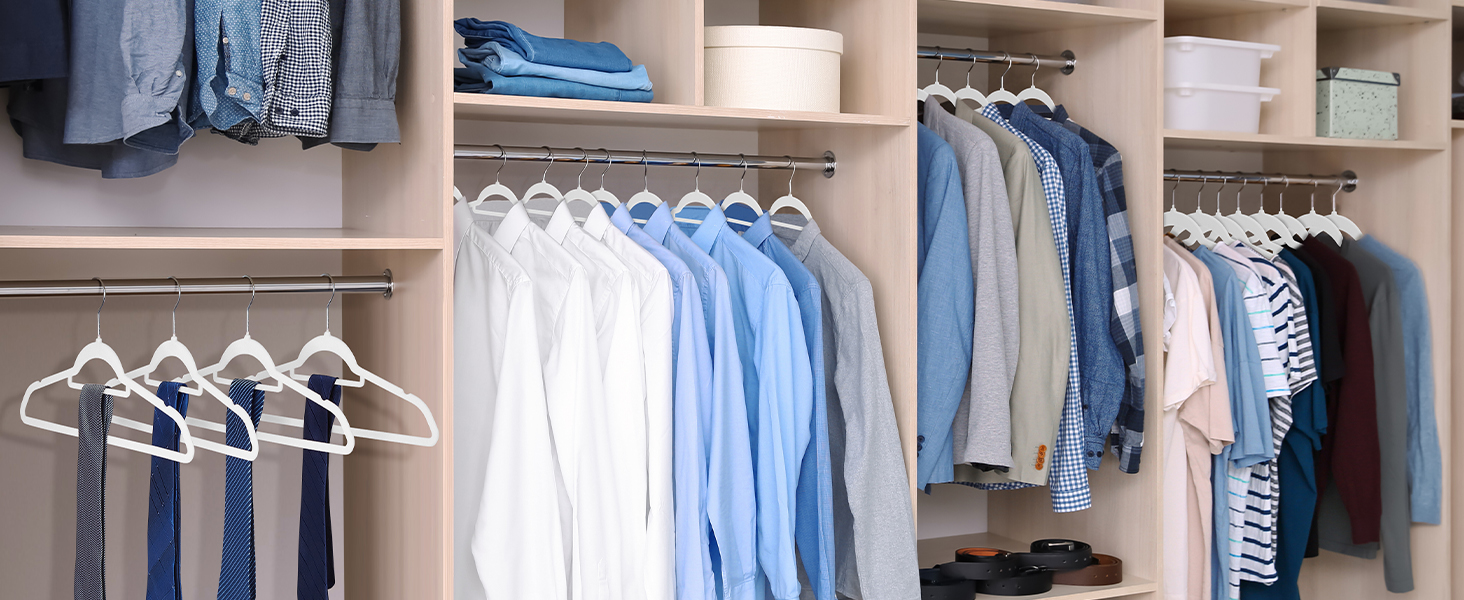
Velvet Hangers **Advantages:** - Excellent garment grip, prevents slippage - Slim profile maximizes storage space - Color variety for brand coordination - Good balance of cost and quality
Considerations: - Limited customization options - Velvet may compress over time - Not ideal for extremely heavy garments
Best For: Contemporary brands, mid-to-upper tier retail
Cost Performance: Medium investment, medium-high presentation ROI
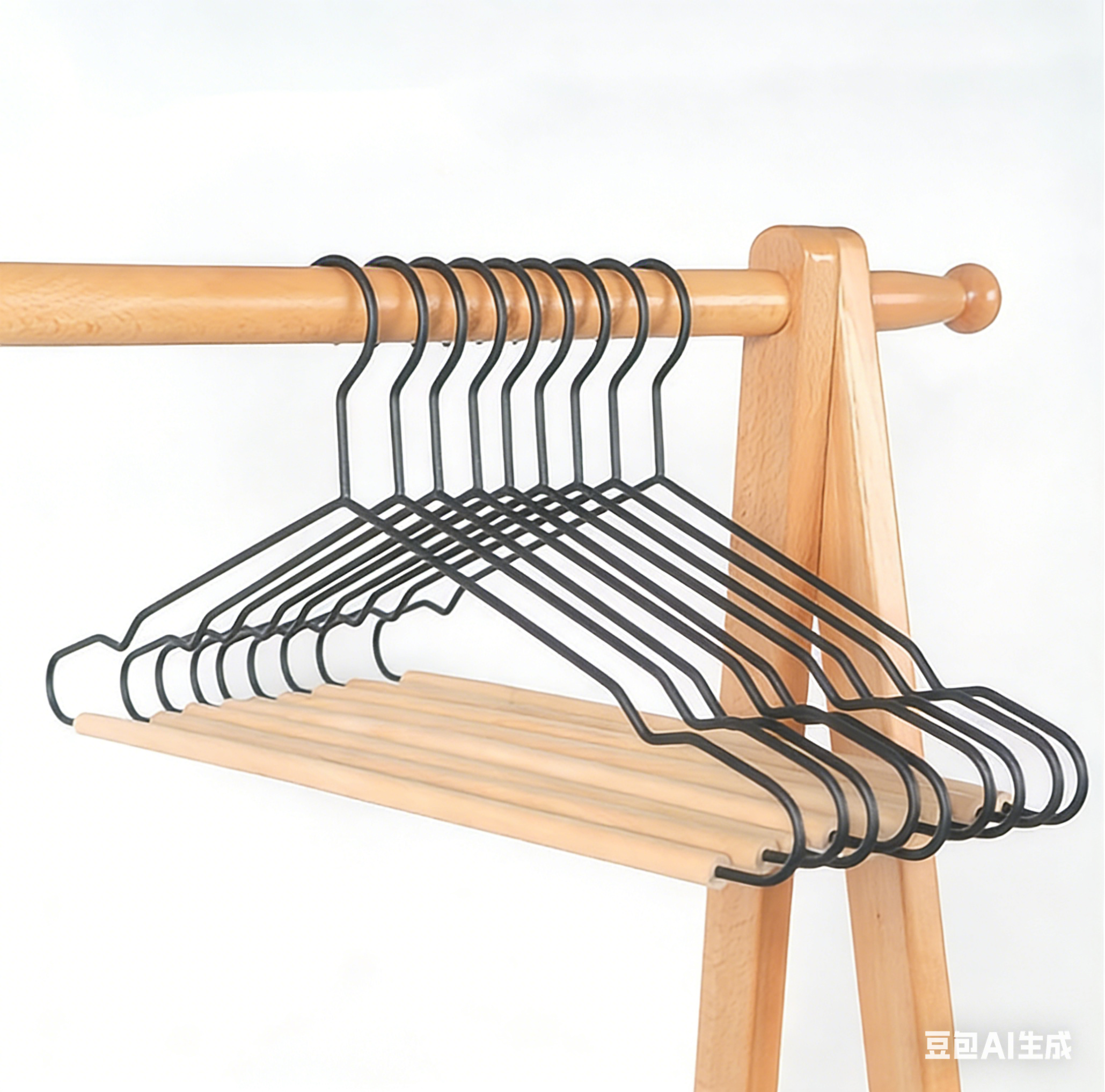
Metal Hangers **Advantages:** - Extremely durable, 8-10+ year lifespan - Minimalist aesthetic fits modern brands - Lower shipping weight - Easy to clean and maintain
Considerations: - Limited surface for branding - May slip with certain fabrics - Can scratch delicate garments if not properly coated
Best For: Modern brands, minimalist aesthetics
Cost Performance: Medium-high investment, high durability ROI
Customization vs. Cost Analysis
Understanding the ROI of hanger customization:
Logo Engraving - Cost impact: +15-25% per unit - ROI: measurable through brand recognition studies showing 27% improvement in recall - Lifespan: permanent, no degradation over time - Best for: brands with strong visual identity
Custom Colors - Cost impact: +10-20% per unit - ROI: enhanced store aesthetic, customer experience improvements - Lifespan: 4-6 years depending on finish quality - Best for: brands with distinctive color palettes
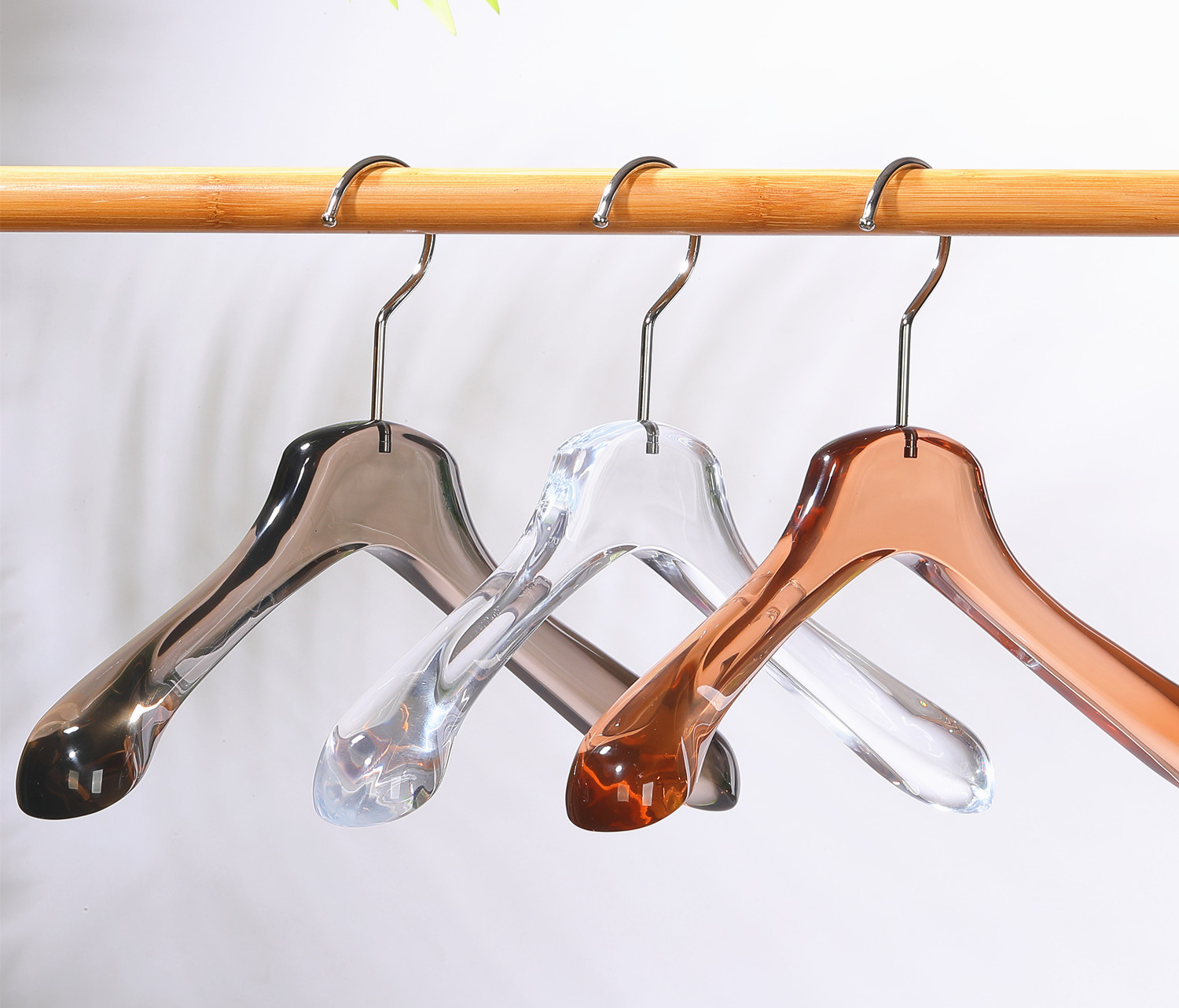
Custom Finishes - Cost impact: +20-35% per unit - ROI: premium positioning, luxury signaling - Lifespan: 5-7 years with proper care - Best for: luxury brands, limited edition collections
The key is selecting customization that delivers measurable business impact, not just visual appeal.
Timeline Optimization
Understanding production and shipping realities:
Standard Production: 4-6 weeks - Most cost-effective option - Best for: routine inventory replenishment - Planning tip: order 60 days before anticipated need
Custom Orders: 6-10 weeks - Additional time for design approval and tooling - Best for: new hanger introductions, significant design changes - Planning tip: order 90 days before seasonal launches
Rush Production: 2-3 weeks - Available at +30-50% premium - Best for: emergency replacements, unexpected demand - Planning tip: maintain buffer inventory to minimize rush orders
International Shipping: 2-4 weeks - Standard timeline from overseas manufacturing - Best for: cost-sensitive non-urgent orders - Planning tip: plan 4-5 weeks total from order to delivery
Expedited Shipping: 5-7 days - Available at +50-80% premium on shipping - Best for: time-critical situations - Planning tip: use only for genuine emergencies
Proper timeline planning typically saves 15-25% compared to reactive, rush ordering.
Quality Assurance Framework
VNEW's comprehensive quality process:
Pre-Production Phase - Material verification and testing - Sample production for client approval - Production trial runs - Final specification confirmation
Production Phase - First article inspection on initial units - Regular production line audits - Random sampling throughout production run - Logo placement and finish consistency checks
Pre-Shipment Phase - Final visual inspection of each hanger - Load testing for weight capacity verification - Packaging quality inspection - Quantity verification and documentation
This process ensures a 99.2% defect-free delivery rate and protects against shipping issues.
Partnership Benefits
Establishing long-term relationships with hanger suppliers delivers multiple benefits:
Pricing Advantages - Volume discounts based on annual commitment - Priority access to production capacity during peak seasons - Lock-in pricing protection against material cost fluctuations
Operational Benefits - Dedicated account management - Streamlined reordering processes - Priority customer support - Reduced administrative overhead
Strategic Benefits - Early access to new materials and designs - Collaborative product development - Market insights and trend analysis - Inventory planning support
VNEW offers partner agreements with commitments as low as $15,000 annually, with benefits scaling based on relationship depth.
Implementation Checklist
Before First Order: - [ ] Complete inventory analysis - [ ] Define hanger portfolio strategy - [ ] Establish branding guidelines for hangers - [ ] Set up reorder triggers and alerts - [ ] Train staff on proper hanger care
Ordering Process: - [ ] Confirm specifications match previous orders - [ ] Review sample for any changes - [ ] Verify quantities by location - [ ] Confirm delivery timeline matches needs - [ ] Arrange receiving and storage
Post-Delivery: - [ ] Inspect shipment upon receipt - [ ] Document any quality issues immediately - [ ] Track usage and loss rates - [ ] Update inventory management systems - [ ] Schedule next review cycle
Measuring Success
Track these metrics to evaluate your hanger procurement strategy:
Cost Metrics - Cost per garment displayed - Annual hanger spend as percentage of retail revenue - Replacement rate trends
Performance Metrics - Customer satisfaction with shopping experience - Staff feedback on ease of use - Garment damage rates
Brand Metrics - Brand consistency across locations - Customer feedback on retail presentation - Sales impact from presentation improvements
Top-performing retailers track these metrics quarterly and adjust procurement strategies accordingly.
Next Steps
Ready to optimize your hanger procurement? VNEW offers:
- Complementary inventory analysis for new partners
- Strategic hanger portfolio design consultations
- Volume planning and forecasting support
- Partner program benefits evaluation
Contact our procurement specialists to discuss your specific needs and discover how strategic hanger sourcing can improve your retail operations while controlling costs.
Share this story
Save or forward this article to your sourcing and merchandising team.