Panoramica dell’articolo
Partire dal capo, non dalla taglia sull'etichetta
Scegliete le misure delle grucce usando capi rappresentativi, dai tagli più stretti a quelli più ampi. Due camicie della stessa taglia possono avere spalle diverse. Per maniche a giro, misurate tra le cuciture delle spalle senza tendere il tessuto. Maniche raglan e spalle scese richiedono soprattutto una prova pratica, perché non presentano lo stesso riferimento.
Controllate il capo appeso: le estremità creano rigonfiamenti, parti non sostenute o tensione al collo? Fotografate fronte e profilo. Una giacca strutturata richiede anche una sagoma compatibile con la spalla. Il buon risultato su una camicia non approva automaticamente lo stesso campione per un cappotto. Associate ogni prova al capo utilizzato.
Riportare le misure delle grucce su una scheda quotata
Precisate se ogni quota riguarda l'insieme finito o soltanto il corpo. Segnate i punti sul disegno e concordate un'unità di riferimento, per esempio millimetri. Se serve una conversione, indicate quale valore prevale. Un arrotondamento non deve generare una seconda specifica. Chiedete conferma dell'interpretazione prima della preparazione del campione.
| Quota | Definizione da concordare | Controllo sul campione |
|---|---|---|
| Larghezza totale | Distanza rettilinea tra le estremità | Sostegno nel punto previsto sulla spalla |
| Appoggio della spalla | Profondità e sagoma in un punto segnato | Contatto senza deformazioni visibili |
| Altezza totale | Dalla sommità del gancio al fondo dell'insieme | Spazio libero per capo e arredo |
| Apertura del gancio | Apertura interna e forma | Inserimento e rimozione sull'asta reale |
| Barra o pinze | Tratto utile o posizioni confermate | Piega, tenuta e contatto con il tessuto |
La lunghezza lungo una curva non coincide con la larghezza rettilinea. «Larghezza della spalla» può indicare anche la profondità di un singolo appoggio. Distinguete le due quote. Le tolleranze vanno concordate per costruzione e metodo di misura: questa scheda non propone un limite universale.
Confrontare sagoma, bordi e finitura
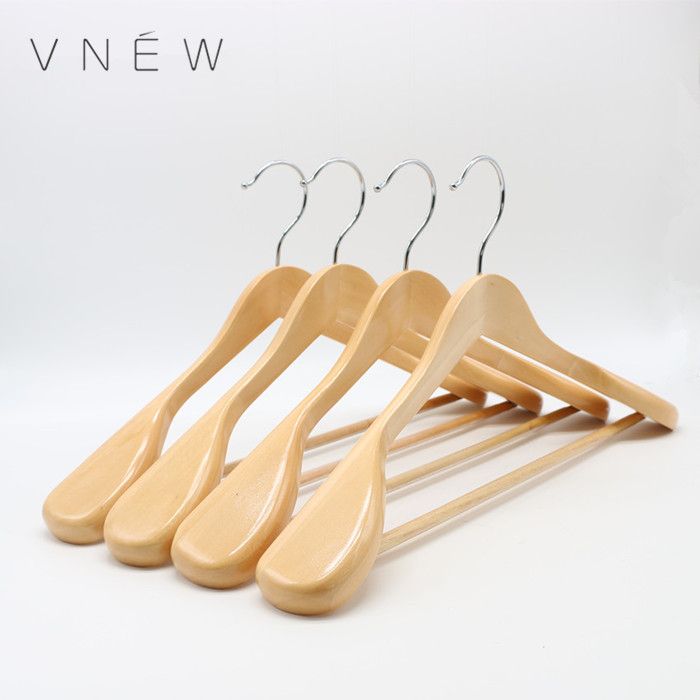
Per top leggeri, controllate estremità, tacche per spalline e zona del collo. Per giacche e cappotti, confrontate sagoma e profondità di sostegno. La collezione di grucce in legno e una gruccia in legno sagomata per abiti offrono configurazioni da provare. Una spalla ampia non è una qualità superiore automatica né una soluzione per ogni taglio.
Includete un tessuto delicato e osservate bordi, contatti e segni dopo la sospensione. Valutate la continuità della finitura nei punti di appoggio; per il legno distinguete la variazione naturale della venatura da un difetto da discutere con il fornitore. Una gruccia in velluto o floccata consente un altro confronto, ma il rivestimento non dimostra larghezza corretta o portata. Documentate ciò che il campione mostra realmente.
Misurare separatamente barra e pinze
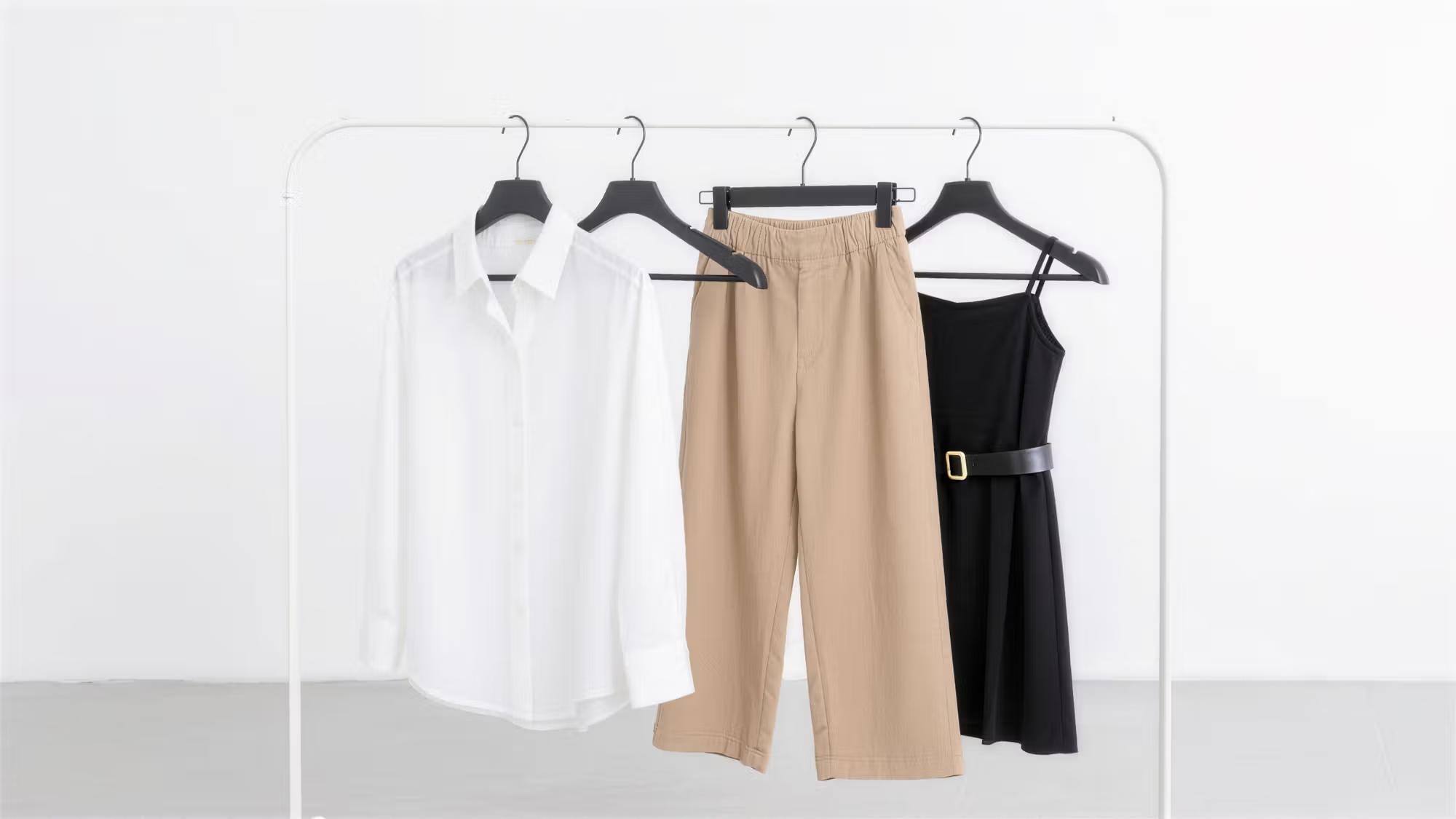
Su un modello con barra, rilevate il tratto utilizzabile tra gli ostacoli laterali, non soltanto l'ingombro esterno. Piegate il pantalone come sarà esposto e controllate sostegno degli strati, equilibrio e pieghe evidenti. Registrate separatamente larghezza totale e lunghezza utile della barra: due modelli esternamente simili possono presentare contatti diversi.
Per le pinze, indicate punto di presa, spessore del tessuto e posizione di esposizione. Richiedete l'intervallo di regolazione se confermato; una fotografia non prova che le pinze scorrano. Provate tenuta e apertura sul capo reale. Concordate un periodo di sospensione e registrate scivolamenti o impronte. Questa valutazione dell'acquirente non è una certificazione di prestazione.
Provare l'asta e l'allestimento completo
Negli armadi d'albergo, misurate diametro dell'asta, distanza dal fondo, spazio per la porta e altezza utile. Inserite l'accappatoio o il cappotto previsto. Verificate chiusura senza pressione sul capo e operazioni di inserimento, rotazione e rimozione. L'apertura del gancio, da sola, non dimostra un percorso di movimentazione libero.
In negozio, provate una sezione dello stender con l'assortimento previsto. Una gruccia sottile non aumenta automaticamente la capacità quando sono i capi a occupare spazio. Controllate visibilità, prelievo e riposizionamento. Se i punti vendita usano arredi diversi, verificate ogni tipo di asta; una prova riuscita in una sede non approva tutte le installazioni.
Approvare il campione nella configurazione finale
Controllate le misure delle grucce con gancio previsto, finitura finale e barra o pinze confermate. Sostituire un componente dopo l'approvazione può modificare l'adattamento. Usate una procedura che acquisti, visual merchandising e gestione operativa possano ripetere:
- Identificare codice articolo, versione del disegno, materiale e accessori.
- Misurare ai punti definiti, con unità e limiti di tolleranza concordati.
- Appendere i capi campione e fotografare deformazioni, zone scoperte o segni.
- Provare asta originale, chiusura della porta e percorso di rimozione.
- Risolvere gli scostamenti, etichettare il campione approvato e archiviare il disegno.
Conservate campione e versione per il riordino. Registrate anche finitura e ferramenta approvate, senza considerare la fotografia un sostituto dell'oggetto fisico. Per modifiche di progetto, distinguete quote fisse e punti da riprovare. Concordate come documentare misurazioni del lotto e discrepanze, senza inventare una frequenza di controllo universale.
Preparare una richiesta di campionatura confrontabile
Una richiesta sulle misure delle grucce deve comprendere tipi di capo, disegno quotato, dimensioni dell'arredo e profilo della spalla. Aggiungete quantità per articolo, foto dell'esposizione e punti ancora aperti. Identificate corpo, gancio, barra o pinze e finitura della configurazione richiesta, così il confronto tra offerte riguarda lo stesso insieme.
Usate il programma di specifiche personalizzate per discutere forma e accessori. La guida all'acquisto di grucce personalizzate completa le scelte di materiale e ordine. Formati disponibili, minimo d'ordine e tempi devono essere confermati nel preventivo. La scheda dimensionale non sostituisce disegno e approvazione fisica.
Domande frequenti
Esiste una larghezza standard per ogni taglia di abbigliamento?
No. Taglio, tessuto e costruzione della spalla variano nella stessa taglia. Misurate capi rappresentativi e controllate il sostegno su un campione. Spalle scese e maniche raglan richiedono soprattutto una prova pratica, non una conversione automatica dall'etichetta.
Larghezza totale e larghezza della spalla sono la stessa quota?
Non necessariamente. La prima collega le estremità; la seconda può descrivere la profondità di un appoggio largo. Segnate entrambe sul disegno per evitare che fornitore e acquirente misurino geometrie differenti.
Come verifica un albergo la compatibilità del gancio?
Registrate diametro dell'asta, apertura interna e spazi liberi, quindi provate l'insieme sull'arredo originale. Includete inserimento, rotazione e rimozione con il capo previsto. Una sola quota di apertura non conferma tutte le operazioni.
Quali quote servono per una gruccia con pinze?
Indicate posizioni previste, intervallo di regolazione confermato e spessore del tessuto. Precisate cintura o zona della spallina. Controllate tenuta e impronte sul materiale reale, invece di decidere soltanto dalla larghezza esterna.
Quale tolleranza dimensionale applicare al lotto?
Concordatela per il modello e il metodo di misura. Punti di riferimento, unità, scostamenti accettabili e procedura di controllo devono accompagnare disegno e campione approvati. Non usate un limite generico non accettato per quella costruzione.
Far esaminare la scheda di misura a VNEW
Inviate disegni, fotografie dei capi e quote degli arredi per richiedere un confronto tra campioni di grucce prima di approvare la configurazione del lotto.
Preparare un acquisto all’ingrosso
Dalla scelta delle grucce alla richiesta di preventivo
Confronta i modelli, definisci le quantità per articolo e finitura e raccogli i dati necessari per richiedere un preventivo.
Condividi questo articolo
Condividi la guida con chi si occupa di acquisti e allestimento per concordare modelli e specifiche.