Artikelüberblick
Samt-Kleiderbügel im Großhandel nach Modell spezifizieren
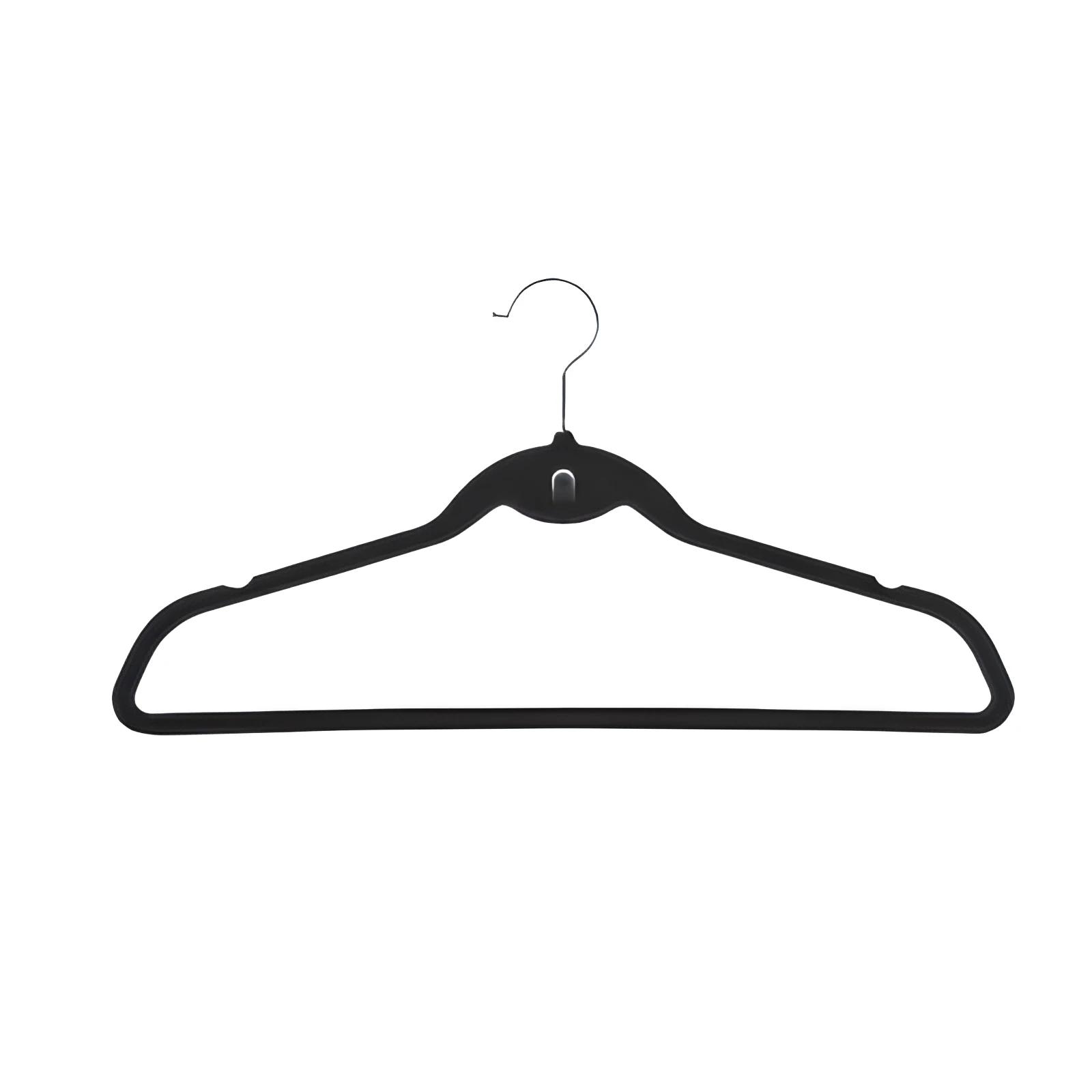
Trennen Sie Grundkörper, Beflockung und Metallteile. Bestätigen Sie Artikelnummer und Muster anhand des Angebots. Das Titelbild zeigt das genannte Modell; sein Aussehen beweist weder Oberflächenleistung noch die Tragfähigkeit einer beladenen Kaskadenanordnung.
Das schwarze beflockte Modell mit Hosensteg und Halsanbindung, Art.-Nr. 1601025619187, nennt ABS-Kunststoff, Samt und Metall, 44,5 × 23 × 0,5 cm, eine Mindestmenge von 500 Stück und 200 Stück je Karton. Diese Angaben gelten für dieses Modell, nicht für die gesamte Serie. Bestätigen Sie Messpunkte, Verpackungsanordnung und aktuelles Angebot. Aus der Halsanbindung allein folgt keine nachgewiesene Eignung für eine beladene Kaskadenanordnung.
Bei Angeboten für Samt-Kleiderbügel im Großhandel sollten Grundkörper und Beschläge unverändert bleiben. Ein günstigeres Angebot kann sonst eine andere Konstruktion betreffen. Notieren Sie die gewünschte Mengenaufteilung nach Artikel und Farbe. Die allgemeine Mindestmenge des Modells beweist keine Mindestmenge je Farbe; diese Bedingung muss das konkrete Angebot klären.
Stoffkontakt und Beflockung am Muster prüfen
Verwenden Sie Kleidung aus dem vorgesehenen Sortiment. Besonders relevant sind Stoffe, deren Aussehen oder Handhabung empfindlich auf Kontakt reagieren könnte. Kennzeichnen Sie Auflagebereiche an Schulter, Ausschnitt und Hosensteg. Vereinbaren Sie, wie die Kleidung aufgelegt, abgenommen und beurteilt wird. Falls Reinigung zum Betrieb gehört, stimmen Sie auch diese Methode ab. Es handelt sich um eine vorgeschlagene Einkaufsprüfung, nicht um den Nachweis einer bestandenen universellen Leistungsnorm.
Dokumentieren Sie unter den vereinbarten Bedingungen lose Fasern, sichtbare Farbübertragung, freiliegende Stellen und ungleichmäßige Oberflächen. Besprechen Sie beanstandete Beobachtungen mit dem Lieferanten und verlangen Sie bei Bedarf ein überarbeitetes Muster. Ein weiches Griffgefühl belegt weder Haftung noch Farbechtheit oder Haltbarkeit. Fotos sollten Kleidungsstück, Kontaktstelle und Musterreferenz erkennen lassen; eine isolierte Nahaufnahme erklärt nicht, wo eine Veränderung entstanden ist.
| Kontakt- oder Handhabungsstelle | Vereinbarte Musterprüfung | Nachweis für die Serienfreigabe |
|---|---|---|
| Schulter und Ausschnitt | Repräsentative Kleidung auflegen und abnehmen | Stoffreferenz und Kontaktbeobachtungen |
| Hosensteg | Vorgesehene gefaltete Kleidung prüfen | Faltposition und Oberflächenbeobachtungen |
| Beflockte Oberfläche | Lose Fasern und sichtbare Übertragung beurteilen | Vereinbarte Methode und Freigabeentscheidung |
| Farbe und Logo | Fertiges Muster bei vorgesehener Beleuchtung vergleichen | Farbreferenz und Grafikversion |
| Benachbarte Körper im Karton | Vereinbarte Verpackungsanordnung prüfen | Kontaktschutz und Kartonspezifikation |
Bestimmen Sie, welche Beobachtung eine Änderung auslöst und wer sie freigibt. Eine willkürlich festgelegte Zahl von Reibbewegungen oder Stoffmustern ersetzt keine abgestimmte Anforderung.
Schulterprofil, Kerben und Abstand auf der Stange vergleichen
Prüfen Sie Kleidung und Bügel gemeinsam auf der vorgesehenen Stange. Schulterbreite, Kontur und Auflagepunkte wirken zusammen: Auch eine passende Gesamtbreite kann mit einem ungeeigneten Schulterübergang verbunden sein. Nutzen Sie den Leitfaden zu Messpunkten und Passform, um Maße eindeutig zu beschreiben. Anschließend zählt das praktische Auflegen der tatsächlichen Kleidung, nicht allein der Vergleich von Zahlen in zwei Angeboten.
Kontrollieren Sie die Lage von Trägern, sofern Kerben spezifiziert sind, den Freiraum am Ausschnitt sowie mögliche Konflikte zwischen gefalteter Kleidung, Grundkörper und Beschlägen. Übernehmen Sie keine Funktion aus einer anderen Kollektion ohne Modellbestätigung. Bei verbundenen oder kaskadierenden Anordnungen sind kompatible Teile und eine abgestimmte Prüfung mit Beladung nötig. Die Angabe für einen einzelnen Bügel ergibt keine zulässige Gesamtbelastung einer Verbindung.
Beurteilen Sie Samt-Kleiderbügel im Großhandel mit dem geplanten Sortiment und tatsächlichen Präsentationsabstand. Ein leerer Einzelbügel zeigt nicht, wie dicht bestückte Ware wirkt. Ändern sich später Stoffstärke, Ladenaufbau oder Verbindungsteile, prüfen Sie die Musteranordnung erneut. Halten Sie die freigegebene Kombination für den Wareneingang nachvollziehbar fest.
Farbe und Logo auf der fertigen Oberfläche freigeben
Vergleichen Sie das fertige Muster mit der Farbreferenz unter der vorgesehenen Laden- oder Schrankbeleuchtung. Richtung der Beflockung und Betrachtungswinkel können den Farbeindruck verändern. Notieren Sie Ausrichtung und Vergleichsbedingungen. So wird ein Unterschied auf Fotos nicht vorschnell als bestätigter Farbfehler behandelt. Bildschirmbilder helfen bei der Abstimmung; für die Freigabe sollte das aufbewahrte physische Muster maßgeblich bleiben.
Art.-Nr. 1601025619187 nennt Schwarz, Weiß, Marineblau und kundenspezifische Farben sowie ein geprägtes Logo. Bestätigen Sie Verfügbarkeit und Umsetzbarkeit für Ihre Ausführung. Diese Optionen sind keine Zusage für jede beflockte Konstruktion oder jedes Motiv. Der modellbezogene Leitfaden zur Logo-Freigabe trennt die Freigabe der Grafik von der Freigabe des tatsächlich ausgeführten Zeichens.
Prüfen Sie die Logoposition mit aufgelegter Kleidung, die Lesbarkeit auf der fertigen Oberfläche sowie Grafikmaße und Versionsstand. Vereinbaren Sie den Umgang mit sichtbaren Abweichungen vor dem Serienstart. Ein digitales Layout zeigt weder Relief noch Verhalten bei Kontakt. Änderungen am Grundmaterial, Finish oder Ausführungsablauf sind daher erneut zu bewerten, statt unbemerkt in die Serie übernommen zu werden.
Oberfläche bei Verpackung und Nachbestellungen schützen
Prüfen Sie Berührungen zwischen Haken, Stegen und benachbarten Körpern im vorgeschlagenen Karton. Klären Sie, welcher Kontaktschutz enthalten ist und ob die Verpackungseinheit zum Wareneingang passt. Die Referenz von 200 Stück je Karton beweist keine identische Schutzwirkung anderer Anordnungen. Zusätzliche Innenverpackung, Etiketten oder Sortimentsaufteilungen gehören ausdrücklich ins Angebot, damit der Vergleich auch Verpackungskosten umfasst.
Für Samt-Kleiderbügel im Großhandel sollten Modell, Farbe, Grafik, Musterversion und Verpackung bei jeder Nachbestellung unter einer Auftragsreferenz zusammengeführt werden. Vergleichen Sie neue Chargen nach den gleichen vereinbarten Beobachtungskriterien mit dem Freigabemuster. Musterfreigabe und Versandprüfung bleiben getrennte Schritte. Neue Kleidung oder veränderte Lagerhandhabung können zusätzliche Prüfungen erfordern, selbst wenn die Artikelnummer gleich bleibt.
Häufige Fragen
Wie lassen sich Faserablösung und Farbübertragung prüfen?
Vereinbaren Sie eine Musterprüfung mit den vorgesehenen Stoffen und den relevanten Auflege- und Abnahmebedingungen. Dokumentieren Sie sichtbare Fasern oder Übertragung mit der Musterreferenz. Die Annahmekriterien werden mit dem Lieferanten abgestimmt; dieser Leitfaden behauptet keine geprüfte Leistungsbewertung und keine allgemeingültige Reibnorm.
Warum muss das Grundmaterial eines beflockten Bügels bestätigt werden?
Die Oberflächenbeschreibung benennt weder tragenden Körper noch Beschläge. Bestätigen Sie Material, Messpunkte und Konstruktion des ausgewählten Modells vor dem Angebotsvergleich. Ähnlich aussehende Produkte können sich unter der Beflockung unterscheiden. Ihre Maße und Angebotsbedingungen sind deshalb nicht automatisch austauschbar.
Wie wird eine Farbe bei unterschiedlicher Beleuchtung freigegeben?
Vergleichen Sie das fertige physische Muster mit der Farbreferenz unter der vorgesehenen Beleuchtung. Dokumentieren Sie Ausrichtung und Betrachtungsbedingungen, und bewahren Sie das genehmigte Muster auf. Vereinbaren Sie die Bewertung von Abweichungen; ein Bildschirmfoto allein ermöglicht keine wiederholbare Farbfreigabe.
Ist eine Logoausführung für jede beflockte Oberfläche geeignet?
Nein. Bestätigen Sie zuerst die Optionen des Modells und prüfen Sie dann Position, Lesbarkeit und Finish am tatsächlichen Muster. Art.-Nr. 1601025619187 nennt ein geprägtes Logo. Daraus ergibt sich keine Eignung für jede Grafik oder andere beflockte Bauart. Fordern Sie ein entsprechend ausgeführtes Muster an.
Welche Verpackungsangaben schützen die freigegebene Oberfläche?
Bestätigen Sie Kartonmenge, Anordnung von Körpern und Haken sowie vereinbarte Trennung oder Innenverpackung. Prüfen Sie ein verpacktes Muster auf unerwünschte Berührung. Dokumentieren Sie Etiketten und Sortimentsaufteilung zusammen mit dem Schutz, damit eine Nachbestellung die Farbe nicht beibehält, aber unbemerkt die Verpackung ändert.
Oberflächen- und Verpackungsanforderungen mit VNEW abstimmen
Vergleichen Sie die VNEW-Samtkollektion mit Ihrer Kleidung und Präsentation. Senden Sie eine modellbezogene Musteranfrage mit Mengen, Farbreferenzen, Grafik und geplanter Verpackung. Ziel sind ein abgestimmtes Muster und Angebot, keine aus einem Foto abgeleitete Leistungszusage.
Nächste Schritte für Ihren Einkauf
Von der Bügelauswahl zur konkreten Angebotsanfrage
Vergleichen Sie geeignete Kleiderbügel, legen Sie Mengen je Modell und Ausführung fest und stellen Sie die Angaben für ein Angebot zusammen.
Artikel teilen
Teilen Sie den Leitfaden mit Einkauf und Warenpräsentation, um Bügelmodelle und Bestellanforderungen abzustimmen.