Article overview
Types of Infant Hangers
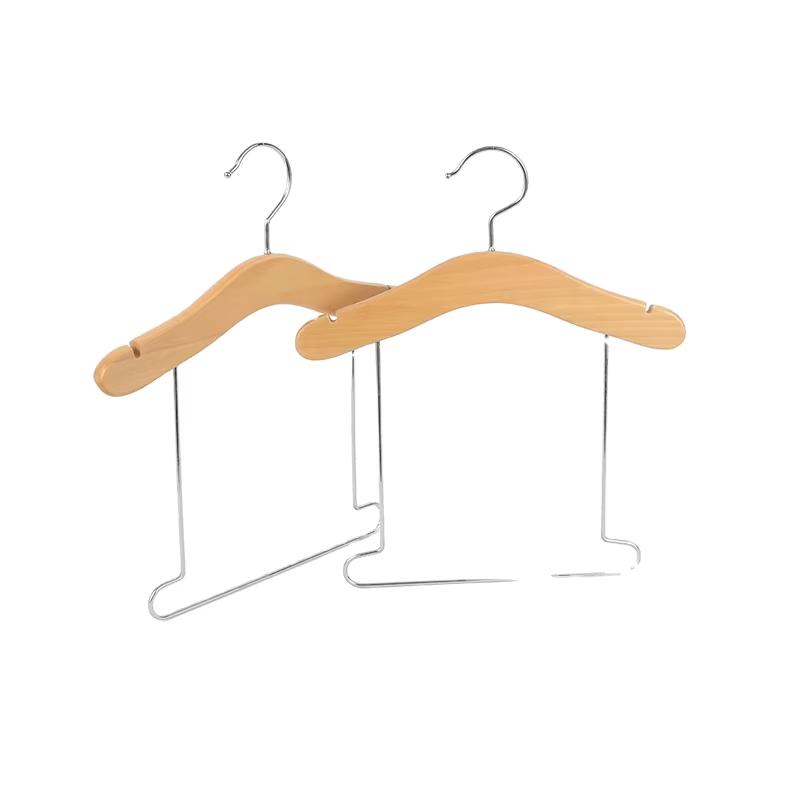
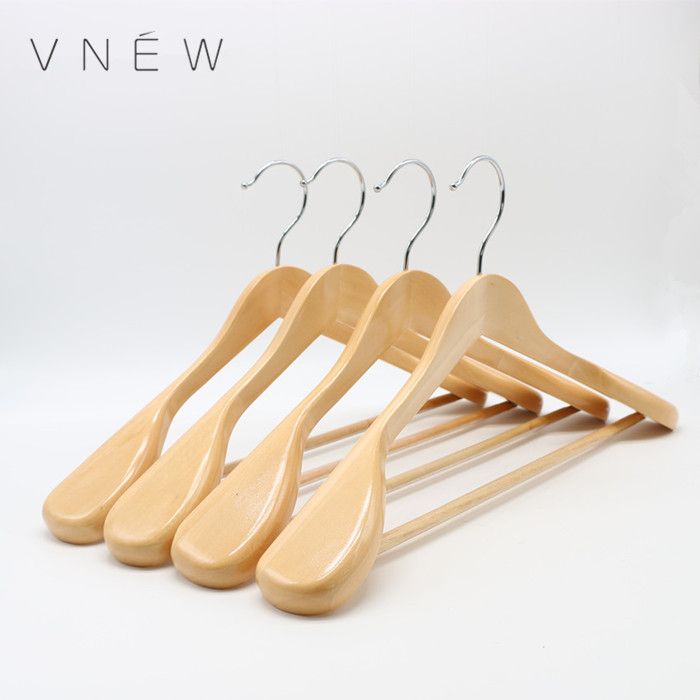
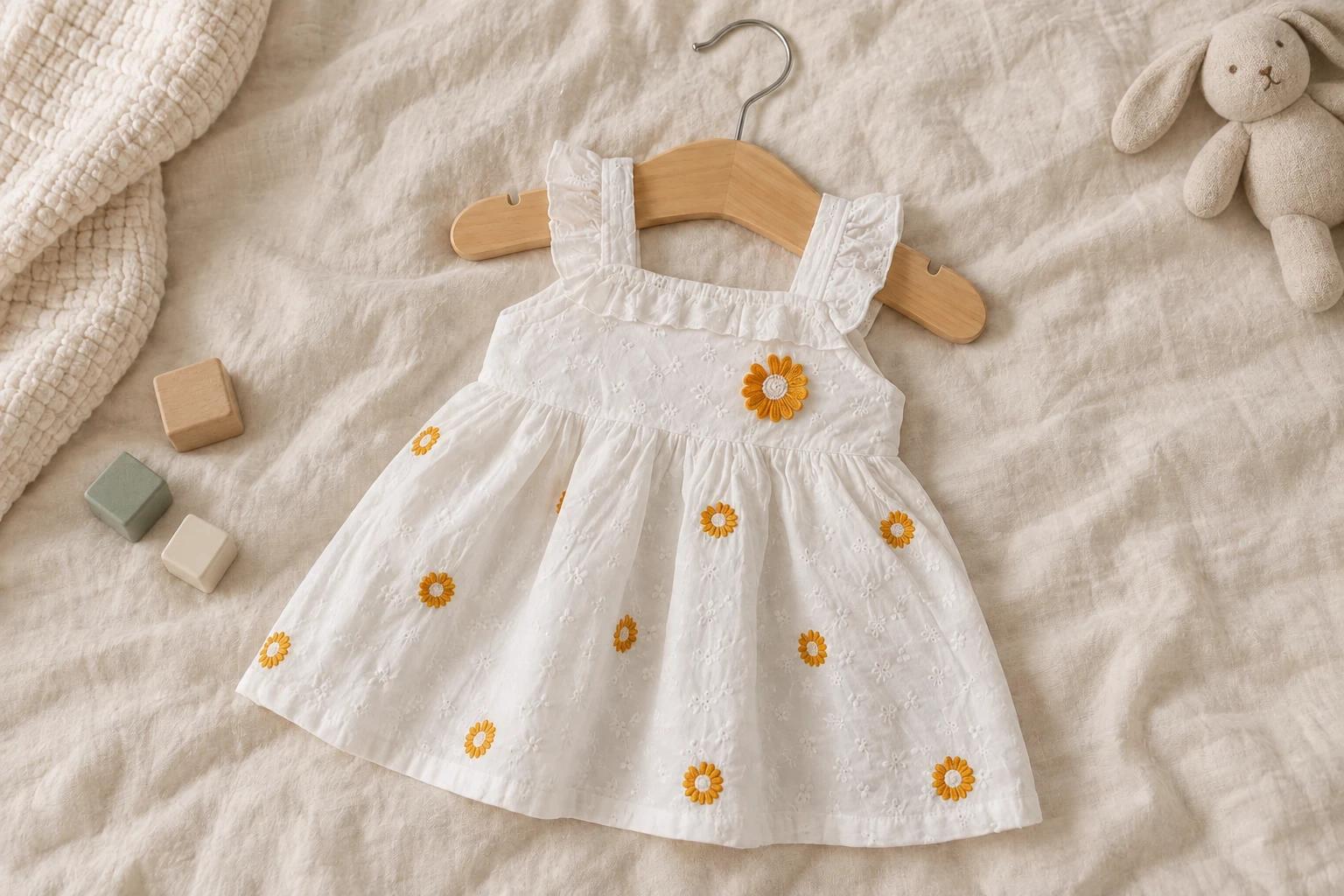
Small wooden bodies offer defined shoulder shapes, different thicknesses and a surface that can coordinate with a store's display fixtures. Check rounded ends, shoulder slope, notches and finish against the garments being displayed. A thicker profile also occupies more rail space, so assess the complete display rather than the empty hanger. VNEW's wooden hanger options include children's formats that buyers can evaluate for their assortment; the category label alone does not establish infant fit.
A flocked surface is a different contact finish, rather than a guarantee that the underlying shape is suitable. When reviewing velvet hanger options, ask for the body material, available widths, shoulder geometry and flocking specification. Test grip, loose fibers and color transfer on representative fabrics. For infant sizing, submit garment measurements and ask VNEW to confirm which dimensions can be supplied and sampled. The collection page does not by itself confirm an infant-sized model or its availability.
How to Choose the Right Infant Hangers
Evaluate infant hangers against the smallest and largest garments in each proposed size group. Measure the garment's shoulder span and neckline, then check where the hanger ends sit inside it. The ends should support the intended shoulder area without pushing into the sleeves or stretching the neck during loading. Use actual samples: two garments with the same age label can have different cuts, fabrics and openings.
| Selection point | Wood option | Velvet option |
|---|---|---|
| Shape and fit | Check width, rounded ends and shoulder slope | Confirm available width and underlying body shape |
| Fabric contact | Inspect finish, underside and notches for roughness | Check flocking, grip, loose fibers and color transfer |
| Display spacing | Compare shoulder thickness with the dressed rail | Verify spacing with garments attached, not just bare profiles |
| Approval evidence | Retain a finished physical sample | Retain a sample in the chosen color and flocked finish |
Have store staff load and remove each garment, then inspect it after an agreed display period. Record slipping, shoulder distortion, snagging and access through the neckline. Check hook clearance on the actual rail and the space between adjacent garments. Use the hanger measurement checklist to document dimensions, but determine acceptance from your own assortment rather than a generic age-to-width chart.
Key Specifications & Customization
Build the enquiry around width, shoulder profile, body thickness, material, finish, hook dimensions and quantities by model and color. Include garment photographs, size-group measurements and the display rail dimensions. Mark which requirements are essential and which can follow an existing model, so the quotation separates available constructions from changes requiring development.
Ask for MOQ by configuration. VNEW's 28 cm wooden model currently lists 1,000 pieces; that is a model-specific reference, not a minimum for every material or size. Its listed length also does not prove infant suitability. Confirm the order split, whether colors share a production minimum, and any separate requirements for custom dimensions or packaging. The customization and MOQ planning guide explains how to distinguish an existing body with branding from a changed construction.
Supply vector logo artwork, required dimensions and placement. Ask which marking method suits the chosen surface, then approve it on a sample. Specify units per inner pack and carton, SKU labels, color separation and protection for hooks and contact surfaces. Include any distribution-center packing instructions before comparing quotations.
Sourcing from a Reliable Supplier
A repeatable order for infant hangers needs an approved physical sample and a dated specification. Record the selected model, dimensions, finish reference, logo proof and garment-fit results together. Agree how production will be checked against those records, including surface condition, hook function and packing. Require written approval before substituting the body, coating or hardware; a similar photograph does not establish equivalent garment contact.
Confirm sampling, revisions, production and freight as separate schedule items. State the required delivery destination and arrival date, then ask which milestones depend on sample approval or material availability. For reorders, retain the sample and specification version, and ask how changes will be communicated before manufacture. This gives VNEW a concrete brief for evaluating its wood and velvet lines and gives your buying team a reference for checking the next delivery.
To specify infant hangers for your collection, compare VNEW's wooden hanger options and velvet hanger options. Submit garment dimensions, order quantities and logo requirements to confirm suitable configurations and a sample plan before placing the bulk order.
Frequently Asked Questions
How should buyers determine the correct hanger width?
Measure representative garments across the proposed size group, then test the candidate inside each one. Check shoulder support, sleeve intrusion and loading through the neckline. Approve the dimensions only after the smallest and largest relevant samples fit acceptably.
Can one size support an entire infant clothing collection?
One size may work for a limited assortment, but it should not be assumed. Group garments by actual cut and dimensions, test the extremes, and separate the purchase into different specifications where support or loading results are inconsistent.
What should buyers test before approving a flocked finish?
Check grip, loose fibers, color transfer and contact marks using the intended fabrics and colors. Include handling and packed samples in the evaluation. Record the agreed inspection method and compare production with the same approved finish reference.
How is the minimum order calculated across sizes and colors?
Ask for the minimum by model, size, finish and color, plus any branding or packaging minimums. A combined order total does not automatically satisfy every configuration. Request a written quantity breakdown and confirmation of any permitted combinations.
What information does VNEW need for a sample request?
Send garment measurements and photographs, material preference, proposed dimensions, quantities by configuration, logo artwork, rail details and packing requirements. Add the delivery destination and target timing. Identify any unconfirmed dimensions so feasibility can be reviewed before the sample is prepared.
Buyer path
Continue from guidance to a working specification
Compare hanger options, define quantities by model and finish, then prepare the specifications needed for a quotation.
Share this story
Save or forward this article to your sourcing and merchandising team.