Article overview
Define the metal construction from the garment and rail
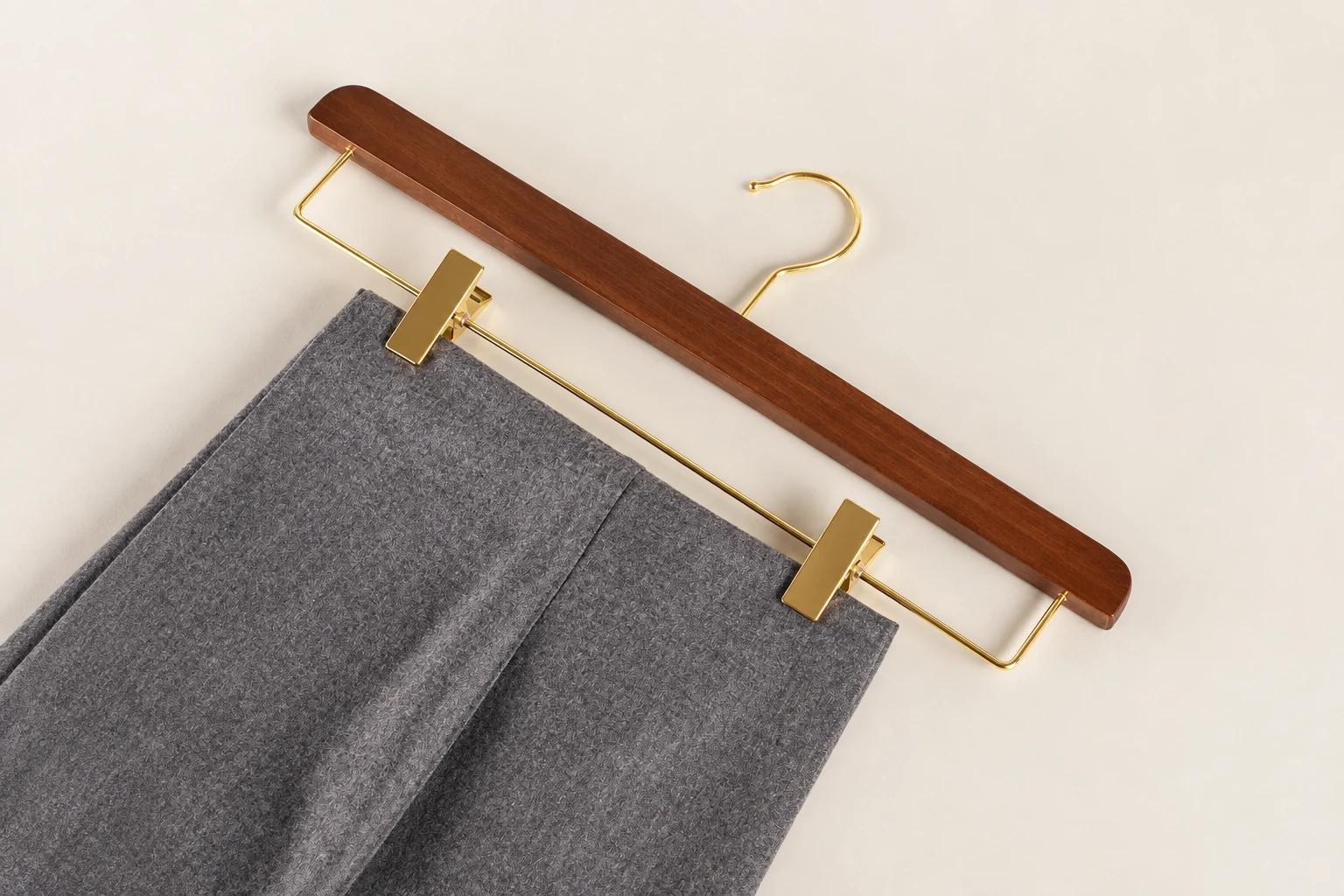
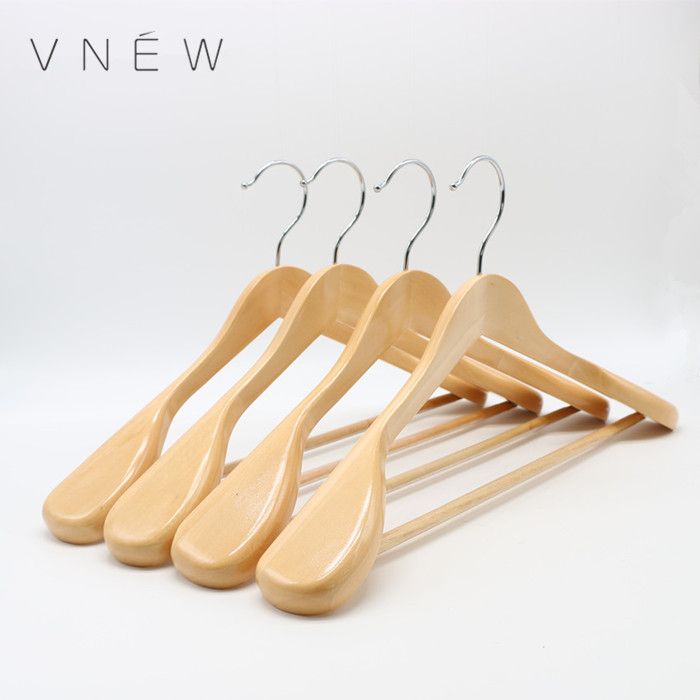
Review the metal hanger collection by construction. Wire, tube, side-opening bars and shoulder formats solve different handling problems. VNEW’s open-sided metal trouser model is one example, not a universal specification. Ask the metal hanger supplier to record span, section diameter, hook opening and fitted bars or clips. Approve the actual garment and rail fit.
Approve finish and colour on the selected surface
Keep a physical finish reference for comparison under store lighting. Check contact abrasion, marks and colour consistency. Chrome, matte black or brass-tone finishes are options to enquire about, not availability on every construction. Agree corrosion checks for the destination and finish; appearance or another model’s report does not establish performance.
Inspect welds, cut ends, hooks and clips
Inspect the selected model for burrs, exposed ends, unstable welds and fabric-catching corners. Check hook attachment, specified rotation, and jaw contact and spring pressure where clips are fitted. The manufacturing overview introduces production stages; the purchase order still needs model-specific inspection criteria. A clean silhouette cannot substitute for garment-safe edges.
Agree a garment-handling trial before approval
Use the hanger measurement guide to define measurement points. Agree weights, handling cycles, duration and acceptance criteria. Three representative garments left for 24 hours are an example trial—not an industry standard or verified load rating. Observe shoulder pressure, bar or clip marks, rail contact and removal. Record the model, finish and trial conditions.
Confirm branding against the metal and coating
Send vector artwork, logo dimensions and placement with the surface reference. Assess each marking method against that construction and coating, using the custom hanger buying guide to organise options. Request an artwork proof and physical sample; a digital image does not confirm the finished mark or an unquoted minimum quantity.
Compare a metal hanger supplier on the same specification
A metal hanger supplier should quote the same construction, dimensions, finish, branding, quantity per SKU and packing as the alternatives. These comparison-table examples are checks to agree, not automatic all-model features. Use the customization specification page to organise unresolved options before comparing prices.
| Decision point | Best use case | Specification or evidence to confirm |
|---|---|---|
| Wire profile and garment fit | shirts, dresses, trousers, suits, coats, uniforms, and hotel wardrobes | A metal hanger should be selected by garment category, shoulder span, wire or tube diameter, hook geometry, and whether the format needs clips, a trouser bar, or anti-theft hardware. The buyer should test the actual garment before approving the silhouette. |
| Plating and finish control | retail rails and hotel wardrobes where metal tone is part of the visual system | Chrome, matte black, brass, rose-gold, and custom finishes need an approved master sample. Buyers should check tone under store lighting, abrasion at contact points, fingerprints, corrosion resistance, and consistency across reorder cycles. |
| Welds, edges, and garment safety | high-handling programs that cannot accept sharp edges, burrs, or unstable joints | Inspect weld points, cut ends, clip jaws, spring pressure, shoulder corners, and the hook connection. A clean visual line is not enough if an edge can mark fabric or if repeated handling loosens a joint. |
| Load and handling test | coats, suits, uniforms, robes, and repeated store or housekeeping use | Load targets should be validated on the final geometry and finish. Test static weight, hook rotation, clip pressure, rail contact, garment removal, and repeated handling rather than accepting a generic capacity claim from another model. |
| Logo and custom hardware | brands that use engraved plates, printed marks, custom hooks, or branded cartons | Evaluate marking, plates, printed marks, hook tones or carton branding for the selected construction and finish. Confirm artwork, placement, method compatibility and the actual minimum quantity in the quotation before sampling. |
| MOQ, sample, and production plan | buyers comparing a pilot order with a store, hotel, or distributor rollout | Planning references: 500 units per SKU; sample manufacture 7–10 days, with buyer review and revisions separate. After sample, specification and commercial approval, the reference total of 25–35 days includes manufacturing, QC and packing, not freight or customs. The exact quotation confirms quantity and schedule. |
| Carton protection and export records | international orders where plating, hooks, clips, and labels must arrive consistently | Dividers, sleeves, hook protection, carton count, barcode labels, shipment photos, and approved reorder references protect the finish during export. VNEW supports documented shipment planning for buyers across 64 countries. |
Keep one approval record: drawing, finish reference, artwork proof and packing specification. Standard starting references are 500 units per SKU and 7–10 days for sample manufacture, with buyer review and revisions separate. After sample, specification and commercial approval, the reference 25–35-day total includes manufacturing, QC and packing—not freight or customs. The actual quotation confirms quantity and calendar.
Protect finish in packing and retain approval records
Agree sleeves, dividers or hook protection where required. Record carton quantities, labels, destination and store or property allocation. Packing photographs should show the agreed arrangement. Retain the finish reference, sample and inspection record for repeat procurement. Identify coating, logo or carton changes for review before repeating production.
Frequently Asked Questions
How should buyers confirm MOQ for metal hangers?
Use 500 units per SKU as VNEW’s standard custom starting reference, not a confirmed minimum for every metal format. The written quotation must confirm construction, finish, branding, quantity per variant and packing. Do not assume an unquoted lower-quantity exception.
How should a buyer schedule samples and production?
Sample manufacture has a reference 7–10-day window; buyer review and revisions are separate. After sample, specification and commercial approval, the reference 25–35-day total includes manufacturing, QC and packing. Confirm project conditions, then add freight and customs separately.
Which artwork files should a buyer prepare before asking for a quote?
Send AI, EPS, PDF or SVG artwork with dimensions, placement and a colour reference where applicable. Images can explain the concept but do not replace production artwork. Confirm the feasible method on the selected metal and finish before approving a physical sample.
What material and quality documentation should metal hanger buyers request?
Request the agreed base metal and profile, finish specification, weld and edge inspection criteria, sample approval record, and any destination-specific material compliance documents. Check the scope and applicability of each document for the quoted SKU; a supplier certificate alone does not demonstrate a particular load rating or corrosion performance.
How should buyers compare suppliers without using unit price as the only filter?
Compare the same dimensions, metal section, finish, branding, variant quantities, sample criteria and packing. Ask each supplier to identify exclusions and approval responsibilities. A cheaper quotation for a different construction or carton is not a like-for-like alternative.
Send your garment mix, profile, finish, artwork, quantities and destination through the procurement contact page. Ask the metal hanger supplier to resolve missing specifications before sampling, and retain the approved configuration for the next French store or hotel order.
Buyer path
Continue from guidance to a working specification
Compare hanger options, define quantities by model and finish, then prepare the specifications needed for a quotation.
Share this story
Save or forward this article to your sourcing and merchandising team.