Article overview
German buyers searching for zedernholz kleiderbügel usually need more than a natural-looking hanger. They need to compare cedar wood material claims, FSC-certified wood options, shoulder profile, finish smoothness, hook tone, logo method, carton protection, MOQ, sample approval, and reorder records. VNEW supports custom wood hanger programs with standard MOQ from 500 units per SKU (starting reference; final MOQ depends on material, finish, logo method, SKU split, packaging, and destination), 7-10 days (planning reference; final timing depends on sample revisions, material, logo method, quantity, packing, and shipment handoff) sample approval, 25-35 days (planning reference; final timing depends on sample revisions, material, logo method, quantity, packing, and shipment handoff) production after approval, 3-5 days (planning reference; final timing depends on sample revisions, material, logo method, quantity, packing, and shipment handoff) QC and packing, and export records across 64 countries. Cedar aroma may help deter moths, but it should not be presented as a complete pest-control solution.
Comparison table
| Decision point | Best use case | Operational number to confirm |
|---|---|---|
| Cedar wood material fit | hotel wardrobes, premium retail rails, and garment-care programs | 500 units per SKU (starting reference; final MOQ depends on material, finish, logo method, SKU split, packaging, and destination) |
| FSC-certified material options for wood programs | brands that need material evidence for retail or hospitality procurement | 7-10 days (planning reference; final timing depends on sample revisions, material, logo method, quantity, packing, and shipment handoff) |
| Shoulder profile and size | coats, suits, shirts, robes, uniforms, and guest wardrobes | 25-35 days (planning reference; final timing depends on sample revisions, material, logo method, quantity, packing, and shipment handoff) |
| Finish and sanding control | retail displays where wood texture, scent, and touch influence quality perception | 1,000 units (starting reference; final MOQ depends on material, finish, logo method, SKU split, packaging, and destination) |
| Logo method and hook finish | hotel, boutique, and brand programs that need quiet custom identity | 300 units (starting reference; final MOQ depends on material, finish, logo method, SKU split, packaging, and destination) |
| MOQ, sample approval, and production calendar | buyers comparing trial runs, hotel room counts, and multi-store rollouts | 3-5 days (planning reference; final timing depends on sample revisions, material, logo method, quantity, packing, and shipment handoff) |
| Carton protection and reorder records | export programs where surface, hook, logo, and scent must arrive consistently | 3-5 days (planning reference; final timing depends on sample revisions, material, logo method, quantity, packing, and shipment handoff) |
Cedar wood material fit: hotel wardrobes, premium retail rails, and garment-care programs
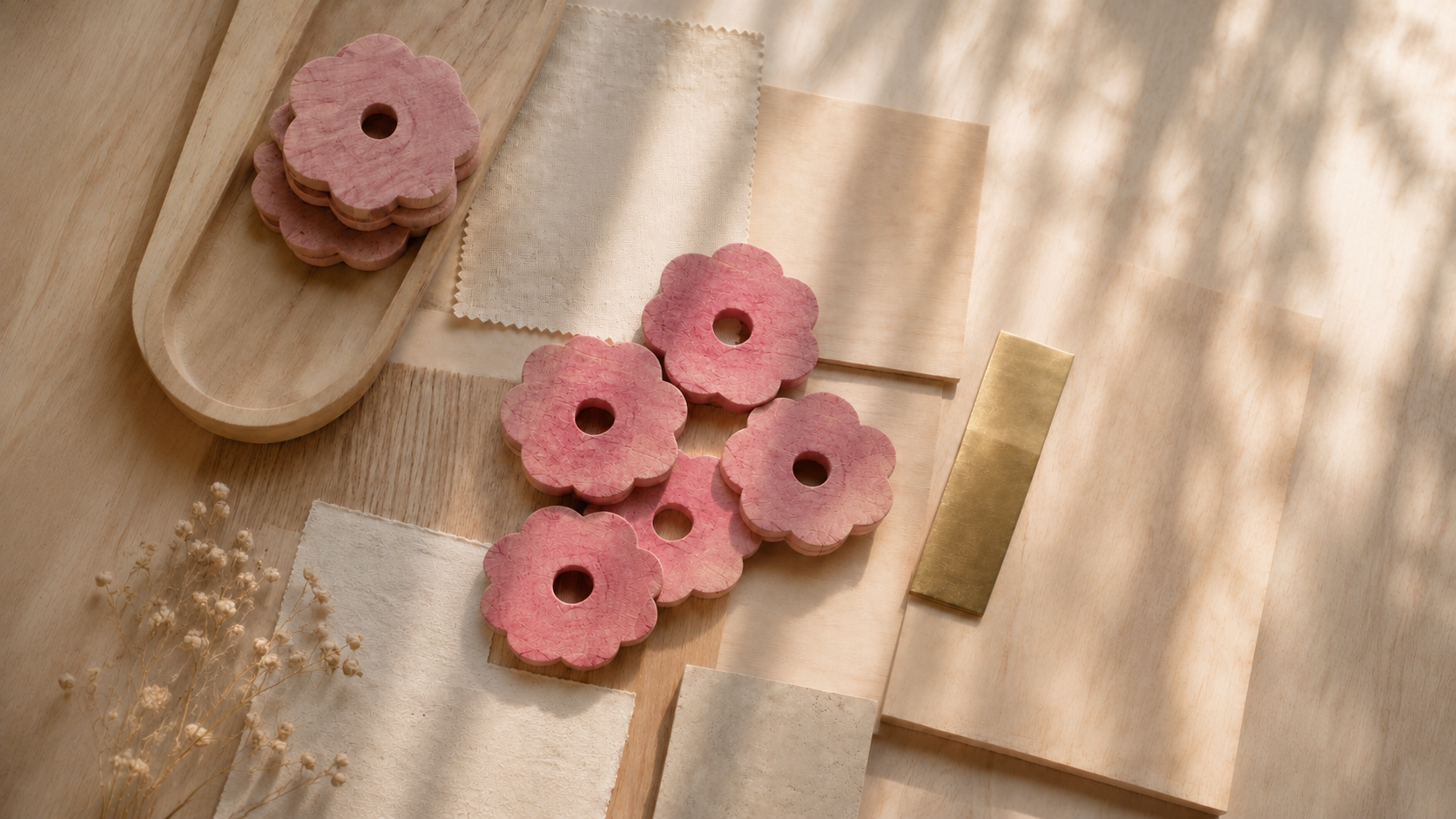
Cedar wood hangers are useful when the buyer wants a warmer natural material story and a wardrobe-care position. The cedar aroma may help deter moths, but it should not be treated as a complete pest-control solution.
Use a sample approval checklist for this decision. Record the target garment category, logo size, color reference, carton requirement, destination market, and planned reorder window. A buyer should keep 1 approved sample, 1 artwork proof, and 1 packing specification on file so the next order can be repeated without a new discovery cycle. For VNEW programs, these details are captured before the 15-25 days (planning reference; final timing depends on sample revisions, material, logo method, quantity, packing, and shipment handoff) manufacturing stage begins.
FSC-certified material options for wood programs: brands that need material evidence for retail or hospitality procurement
Buyers should confirm whether the quoted cedar or hardwood option is FSC-certified for the exact material used in the program. VNEW can review FSC-certified material options for eligible wood programs, with standard custom work starting at 500 units per SKU (starting reference; final MOQ depends on material, finish, logo method, SKU split, packaging, and destination).
Use a sample approval checklist for this decision. Record the target garment category, logo size, color reference, carton requirement, destination market, and planned reorder window. A buyer should keep 1 approved sample, 1 artwork proof, and 1 packing specification on file so the next order can be repeated without a new discovery cycle. For VNEW programs, these details are captured before the 15-25 days (planning reference; final timing depends on sample revisions, material, logo method, quantity, packing, and shipment handoff) manufacturing stage begins.
Shoulder profile and size: coats, suits, shirts, robes, uniforms, and guest wardrobes
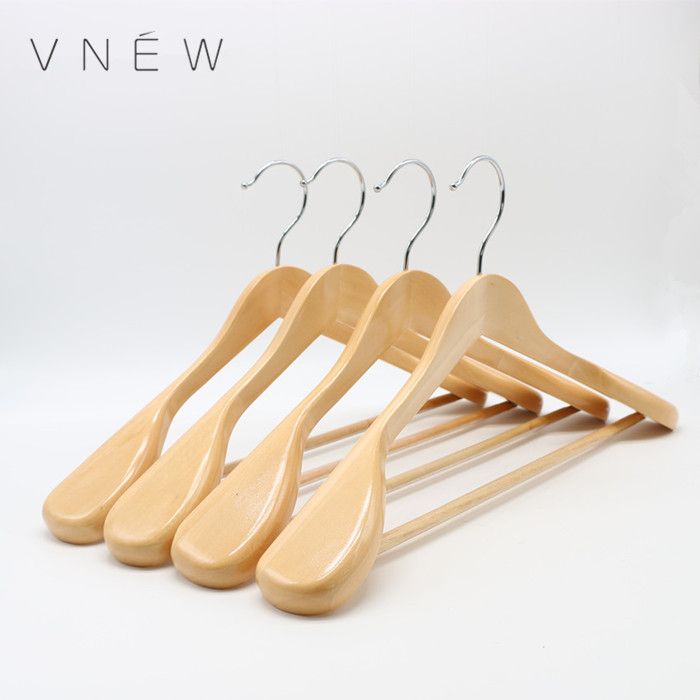
A cedar hanger should be approved on the target garment, not only as an empty sample. Confirm hanger length, shoulder width, shoulder slope, thickness, trouser bar or clip position, and rail clearance before production.
Use a sample approval checklist for this decision. Record the target garment category, logo size, color reference, carton requirement, destination market, and planned reorder window. A buyer should keep 1 approved sample, 1 artwork proof, and 1 packing specification on file so the next order can be repeated without a new discovery cycle. For VNEW programs, these details are captured before the 15-25 days (planning reference; final timing depends on sample revisions, material, logo method, quantity, packing, and shipment handoff) manufacturing stage begins.
Finish and sanding control: retail displays where wood texture, scent, and touch influence quality perception
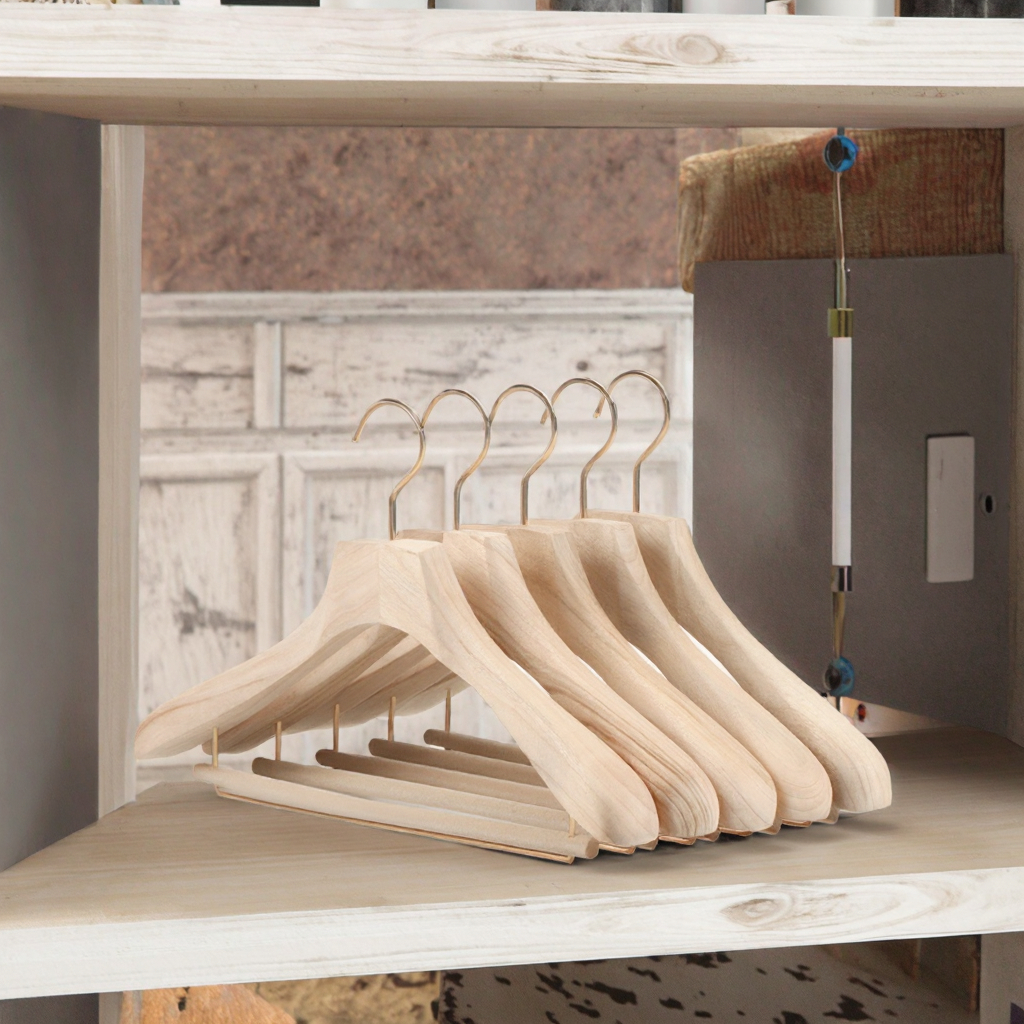
Cedar finish should feel smooth enough for delicate garments while preserving the expected natural wood character. Buyers should approve sanding level, edge feel, surface tone, and whether the hanger is left natural or lightly finished.
Use a sample approval checklist for this decision. Record the target garment category, logo size, color reference, carton requirement, destination market, and planned reorder window. A buyer should keep 1 approved sample, 1 artwork proof, and 1 packing specification on file so the next order can be repeated without a new discovery cycle. For VNEW programs, these details are captured before the 15-25 days (planning reference; final timing depends on sample revisions, material, logo method, quantity, packing, and shipment handoff) manufacturing stage begins.
Logo method and hook finish: hotel, boutique, and brand programs that need quiet custom identity
Laser engraving, foil stamping, branded hooks, carton marks, or a subtle neck label solve different brand needs. Confirm AI, EPS, PDF, or SVG artwork, logo size, placement, hook color, and sample proof before bulk release.
Use a sample approval checklist for this decision. Record the target garment category, logo size, color reference, carton requirement, destination market, and planned reorder window. A buyer should keep 1 approved sample, 1 artwork proof, and 1 packing specification on file so the next order can be repeated without a new discovery cycle. For VNEW programs, these details are captured before the 15-25 days (planning reference; final timing depends on sample revisions, material, logo method, quantity, packing, and shipment handoff) manufacturing stage begins.
MOQ, sample approval, and production calendar: buyers comparing trial runs, hotel room counts, and multi-store rollouts
A clear cedar hanger brief should separate 500 units per SKU (starting reference; final MOQ depends on material, finish, logo method, SKU split, packaging, and destination) by SKU, 7-10 days (planning reference; final timing depends on sample revisions, material, logo method, quantity, packing, and shipment handoff) sample approval, 15-25 days (planning reference; final timing depends on sample revisions, material, logo method, quantity, packing, and shipment handoff) manufacturing, and 3-5 days (planning reference; final timing depends on sample revisions, material, logo method, quantity, packing, and shipment handoff) QC and packing before freight is added.
Use a sample approval checklist for this decision. Record the target garment category, logo size, color reference, carton requirement, destination market, and planned reorder window. A buyer should keep 1 approved sample, 1 artwork proof, and 1 packing specification on file so the next order can be repeated without a new discovery cycle. For VNEW programs, these details are captured before the 15-25 days (planning reference; final timing depends on sample revisions, material, logo method, quantity, packing, and shipment handoff) manufacturing stage begins.
Carton protection and reorder records: export programs where surface, hook, logo, and scent must arrive consistently
Cartons should protect cedar surface, hook finish, logo marks, and shoulder edges during export handling. VNEW stores approved sample references, carton photos, and reorder notes for buyers across 64 countries.
Use a sample approval checklist for this decision. Record the target garment category, logo size, color reference, carton requirement, destination market, and planned reorder window. A buyer should keep 1 approved sample, 1 artwork proof, and 1 packing specification on file so the next order can be repeated without a new discovery cycle. For VNEW programs, these details are captured before the 15-25 days (planning reference; final timing depends on sample revisions, material, logo method, quantity, packing, and shipment handoff) manufacturing stage begins.
German cedar hanger sourcing worksheet
Search results for cedar wood hangers often mix wardrobe-care language, natural wood appeal, and simple product-set claims. A B2B buyer should turn that language into a worksheet before asking suppliers to quote. The worksheet should include garment category, use case, hanger length, shoulder width, shoulder slope, cedar or hardwood option, FSC requirement, hook finish, logo method, carton count, destination, sample owner, and reorder owner.
For hotel wardrobes, test the hanger inside the actual cabinet with robes, shirts, jackets, and guest handling in mind. For retail display, test the hanger on the rail with shopper-facing garments and store lighting. For garment-care programs, keep the cedar claim cautious: the aroma can be part of the wardrobe experience, but cleaning, storage, and pest-control routines are separate responsibilities.
The clearest supplier response should name MOQ by SKU, sample timing, artwork requirements, production calendar, QC photos, carton rules, and reorder records. If a supplier only confirms "cedar wood" without these operating details, the buyer still has specification risk before production.
How to choose the right cedar wood hanger program supplier
Start by separating stock purchasing from OEM manufacturing. Stock purchasing works when the hanger does not need a custom mark, custom finish, or store-specific packaging. OEM manufacturing is the better route when your buyer brief includes logo placement, Pantone color, branded carton labels, custom hook tone, or a multi-store rollout.
- MOQ alignment: match supplier minimums to SKU count; 500 units per SKU (starting reference; final MOQ depends on material, finish, logo method, SKU split, packaging, and destination) is a practical custom starting point for VNEW wood and velvet work.
- Branding technique fit: use laser engraving for tone-on-wood logos, foil stamping for metallic luxury marks, pad printing for up to 4 spot colors, UV printing for detailed graphics, and embossing for texture-led velvet programs.
- Lead-time predictability: separate 7-10 days (planning reference; final timing depends on sample revisions, material, logo method, quantity, packing, and shipment handoff) sample approval, 15-25 days (planning reference; final timing depends on sample revisions, material, logo method, quantity, packing, and shipment handoff) manufacturing, 3-5 days (planning reference; final timing depends on sample revisions, material, logo method, quantity, packing, and shipment handoff) QC and packing, and freight time.
- Material certification: check FSC-certified wood claims, recycled plastic documentation, velvet flocking control, and plating requirements before approving the first sample.
- Packing discipline: define carton count, inner pack, barcode labels, destination codes, and shipment photo requirements before bulk release.
- Reorder stability: ask how the supplier stores finish references, artwork files, and approved samples for the next reorder cycle.
Operational comparison notes
Treat the supplier review as a production exercise, not a mood-board exercise. A strong cedar wood hanger program supplier should be able to translate 1 artwork file, 1 material direction, 1 target MOQ, 1 destination market, and 1 launch date into a sample plan. If the supplier only replies with a catalog link, your team still needs to define the work that will determine sample quality, lead time, packing, and reorder stability.
For custom programs, separate the calendar into 4 gates. Gate 1 is specification review, where the buyer confirms size, material, finish, hook, logo method, carton count, and destination. Gate 2 is the 7-10 days (planning reference; final timing depends on sample revisions, material, logo method, quantity, packing, and shipment handoff) sample approval window. Gate 3 is the 15-25 days (planning reference; final timing depends on sample revisions, material, logo method, quantity, packing, and shipment handoff) manufacturing window. Gate 4 is 3-5 days (planning reference; final timing depends on sample revisions, material, logo method, quantity, packing, and shipment handoff) for QC and packing before shipment handoff. This sequence makes supplier promises easier to compare.
Keep proof records as buying assets. The approved artwork, physical sample, packing photo, carton label, and inspection record should sit beside the purchase order. That archive matters when a retail chain adds 5 stores, a hotel group adds 300 rooms, or a fashion brand reorders the same hanger 6 months later.
Finally, compare communication rhythm. A supplier should answer specification questions within 48 hours, identify missing artwork or packing data before sampling, and confirm who approves changes after the first sample. That workflow is especially important when 3 departments are involved: buying, visual merchandising, and logistics. Clear ownership reduces revision loops before the 25-35 days (planning reference; final timing depends on sample revisions, material, logo method, quantity, packing, and shipment handoff) production stage.
When 2 suppliers look similar, ask for the same 6 deliverables from each one: sample photo, material confirmation, logo proof, carton specification, lead-time calendar, and reorder reference plan. The clearer answer is usually the safer buying path, even before price is discussed.
Get expert consultation on your cedar wood hanger program
Use this article as a specification checklist before you brief a supplier. Send artwork, target SKU count, expected order volume, destination market, launch window, and the material direction you prefer. VNEW aims to review complete briefs within 48 hours and return a structured recommendation covering material, logo method, sample plan, production calendar, and packing assumptions; response timing varies with specification complexity and missing inputs. That response gives your sourcing team a cleaner basis for comparing suppliers, approving samples, and planning a 25-35 days (planning reference; final timing depends on sample revisions, material, logo method, quantity, packing, and shipment handoff) production window after sample sign-off.
Frequently Asked Questions
What MOQ should buyers expect for cedar wood hangers guide for german retail and hotel buyers?
For VNEW custom programs, the standard starting MOQ is 500 units per SKU (starting reference; final MOQ depends on material, finish, logo method, SKU split, packaging, and destination). Pad-printed plastic programs normally start at 1,000 units (starting reference; final MOQ depends on material, finish, logo method, SKU split, packaging, and destination), foil-stamped metal programs can start at 300 units (starting reference; final MOQ depends on material, finish, logo method, SKU split, packaging, and destination), and first-time trial runs of 100-300 units (starting reference; final MOQ depends on material, finish, logo method, SKU split, packaging, and destination) can be reviewed when the buyer accepts a simpler specification. Compare MOQ by SKU, not by total order, because 5 colors usually behave like 5 production lots.
How long does the cedar wood hanger program program take after artwork approval?
A normal VNEW timeline is 7-10 days (planning reference; final timing depends on sample revisions, material, logo method, quantity, packing, and shipment handoff) for sample production and approval, 15-25 days (planning reference; final timing depends on sample revisions, material, logo method, quantity, packing, and shipment handoff) for bulk manufacturing, and 3-5 days (planning reference; final timing depends on sample revisions, material, logo method, quantity, packing, and shipment handoff) for QC and packing. That creates a 25-35 days (planning reference; final timing depends on sample revisions, material, logo method, quantity, packing, and shipment handoff) production window after sample approval and PI signing. Sea freight, air freight, customs clearance, and store allocation should be added as separate calendar items.
Which artwork files should a buyer prepare before asking for a quote?
Prepare AI, EPS, PDF, or SVG artwork for production. Raster files such as PNG, JPG, and PSD can support discussion when they are at least 300 DPI, but vector artwork is safer for engraving, foil, pad print, and UV print. Add logo size, placement, Pantone references, and 1 approved brand-color document so the supplier can quote without a second clarification cycle.
Which certifications and material claims should be checked?
For wood programs, ask whether the material is FSC-certified and whether the certification applies to the exact hanger material. For velvet, check flocking quality, color-control records, and carton protection. For recycled plastic, ask for recycled-content documentation and batch traceability. VNEW serves buyers in 64 countries, so export documents and destination rules should be confirmed before production.
How should buyers compare suppliers without using unit price as the only filter?
Compare 6 items in the same table: MOQ, sample time, production time, material options, logo methods, and inspection records. A supplier that can show a 7-10 days (planning reference; final timing depends on sample revisions, material, logo method, quantity, packing, and shipment handoff) sample workflow, 25-35 days (planning reference; final timing depends on sample revisions, material, logo method, quantity, packing, and shipment handoff) production window, carton specifications, and reorder controls is easier to manage than a supplier that quotes fast but leaves artwork, packing, and tolerance rules open.
Buyer path
Continue from guidance to a working specification
Compare hanger options, define quantities by model and finish, then prepare the specifications needed for a quotation.
Share this story
Save or forward this article to your sourcing and merchandising team.